Microsoft has outlined detailed plans to significantly enhance the performance and user experience of Windows 11. Through a series of updates scheduled throughout 2026, the company aims to address long-standing issues such as high RAM consumption, user interface latency, and slow operations within File Explorer.
These upcoming updates are specifically designed to make the operating system more responsive and efficient. Microsoft is placing a strong emphasis on improving the experience for users operating lower-spec hardware, ensuring that the system runs smoothly across a diverse range of configurations.
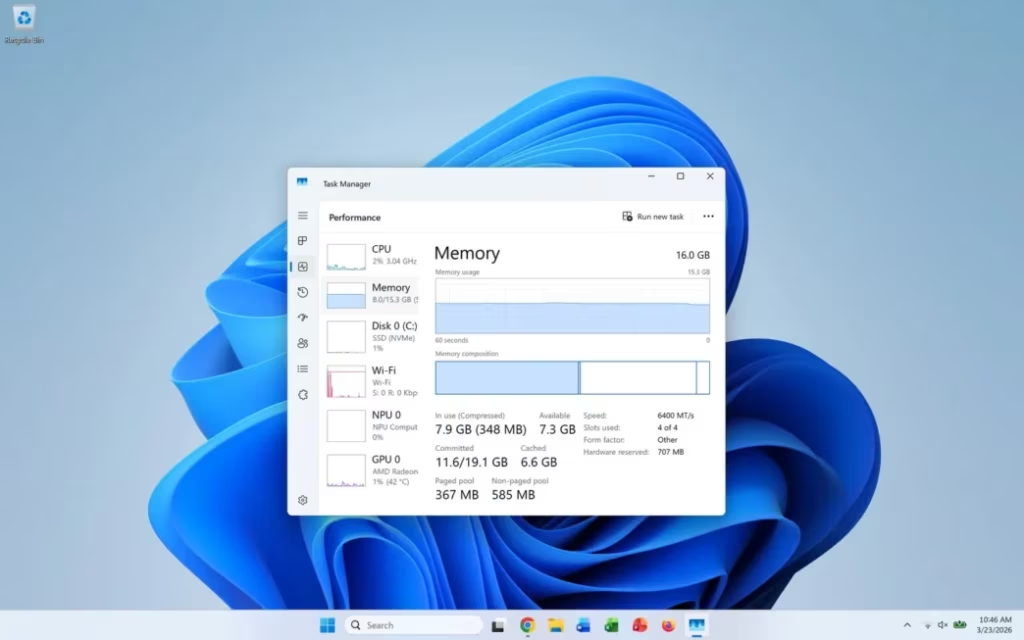
A central focus of this initiative is a major overhaul of the system’s background memory management. Microsoft plans to reduce the baseline memory footprint of Windows 11, which will free up more RAM for applications and improve overall system responsiveness.
This improved memory management is expected to be particularly beneficial for devices with limited memory, such as configurations equipped with only 8GB of RAM. The push for better memory optimization is partly driven by the need to compete with more efficient systems, like Apple’s recent MacBook Neo, which currently offers a smoother experience on comparable hardware.
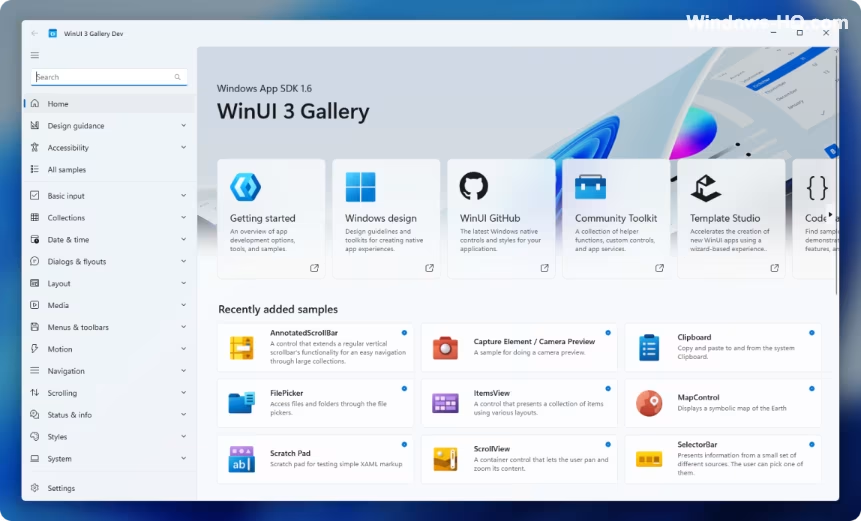
In addition to memory management, Microsoft is working to deliver a noticeably smoother visual experience. A significant part of these performance improvements involves transitioning core Windows 11 experiences to the desktop-only WinUI 3 framework.
By moving away from legacy frameworks and web-based components, including WebView2 and React, Microsoft expects to drastically reduce application latency. This transition will also enhance user interaction and introduce improved animations and transitions throughout the operating system.
Key system components are also slated to receive substantial upgrades. File Explorer, one of the most frequently used tools in Windows, will benefit from reduced latency in search, navigation, and the rendering of context menus.
Furthermore, File Explorer will see faster and more reliable file operations, specifically when copying and moving large files.
Windows Search is being refined to become quicker and more accurate. The updated search functionality will ensure that local files and applications are prioritized over web results, streamlining the process for users looking for content directly on their machines.
Beyond speed and visual fluidity, Microsoft is focusing on enhancing the overall reliability and stability of Windows 11. The company is dedicating efforts to reduce operating system-level crashes to deliver a more dependable user experience.
To further bolster stability, updates will aim to improve driver quality across a wide range of hardware components. Users can also expect more stable connections for peripheral devices utilizing Bluetooth and USB interfaces.
These comprehensive improvements arrive during a period of increased competition within the PC market. Microsoft is facing pressure from efficient and budget-friendly alternatives, notably laptops produced by Apple.
With this renewed focus on core performance and efficiency, Microsoft aims to ensure that Windows-based personal computers maintain their edge. The company is working to guarantee that its operating system, especially within the budget hardware segment, continues to offer a highly competitive and satisfying user experience.