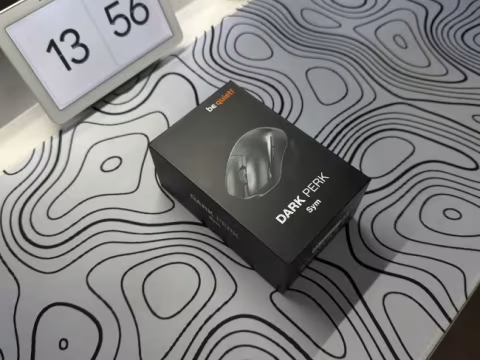
be quiet! Dark Perk Sym: Testing a Silent, High-Spec Gaming Mouse
The be quiet! Dark Perk Sym, a silent, high-spec gaming mouse, launched with advanced hardware including a PAW3950 sensor. Reviewers noted its comfortable, ambidextrous design and…
Read expert reviews of the latest computer mice. Find the best gaming mouse or ergonomic mouse for your needs at Windows HQ.
The be quiet! Dark Perk Sym, a silent, high-spec gaming mouse, launched with advanced hardware including a PAW3950 sensor. Reviewers noted its comfortable, ambidextrous design and…
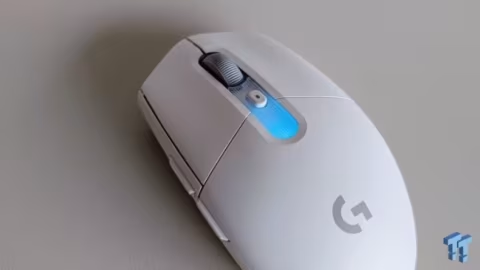
The G305 X Superlight modernizes the decade-old G305 using a lightweight, upgraded shell and HERO 44K sensor. It offers tri-mode connectivity and 130+ hours of battery…
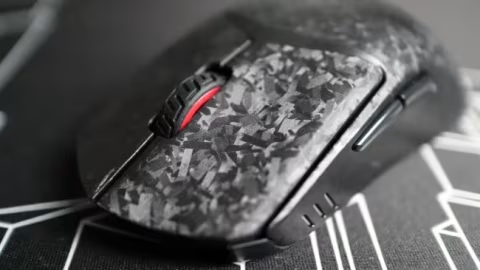
The HyperX Pulsefire Haste 3 Pro is available at 47 grams, making it HyperX's lightest wireless mouse. Featuring a carbon fiber shell, it offers substantial weight…
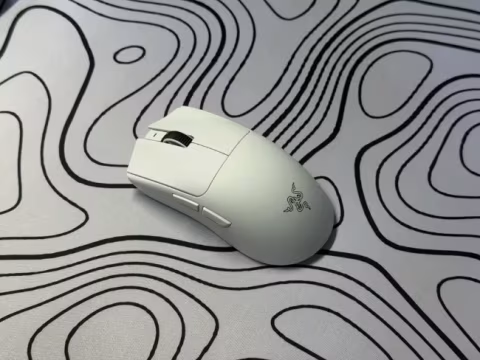
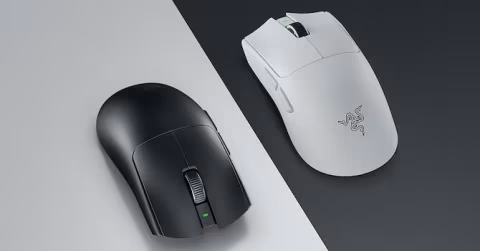
The Razer Viper V4 Pro is a 49-gram wireless mouse built for esports. It features the Focus Pro 50K sensor, Gen-4 switches, and HyperSpeed Wireless. Users…
be quiet! launches the Dark Perk Sym and Dark Perk Ergo mouses. These ultralight units offer high performance using a PixArt PAW3950 sensor and 8,000 Hz…
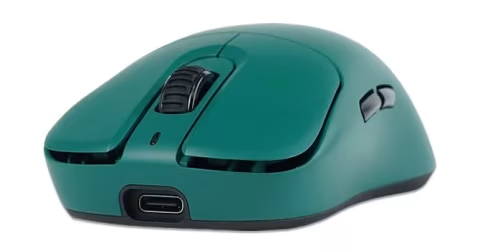
The VAXEE NP-01S V3 Wireless is the third major iteration of the company's popular half-ergonomic mouse, featuring a new Core1 sensor and CoreLink wireless technology, allowing…
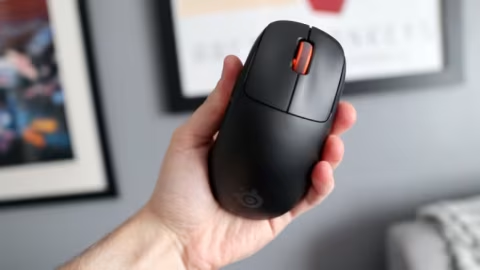
The SteelSeries Rival Pro returns to the competitive mouse market with a focus on ergonomics and high performance. It features a unique, comfortable shape and an…
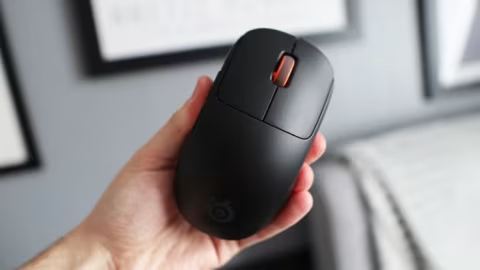
The Sensei Pro is SteelSeries’ new flagship wireless gaming mouse for 2026, featuring a 42,000 DPI sensor and true 8000Hz polling. It boasts UWB connectivity and…
Razer's new Viper V4 Pro introduces the powerful Focus Pro 50K Gen-3 sensor. Featuring advanced FrameSync technology, it achieves unparalleled synchronization and reduced latency. Read on…
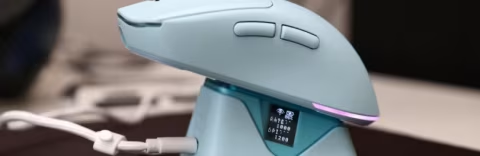
The Epomaker Nex Lite is a budget wireless mouse ($35) featuring OLED screens and tri-mode connectivity. While offering competitive features, the reviewer noted limitations in sensor…