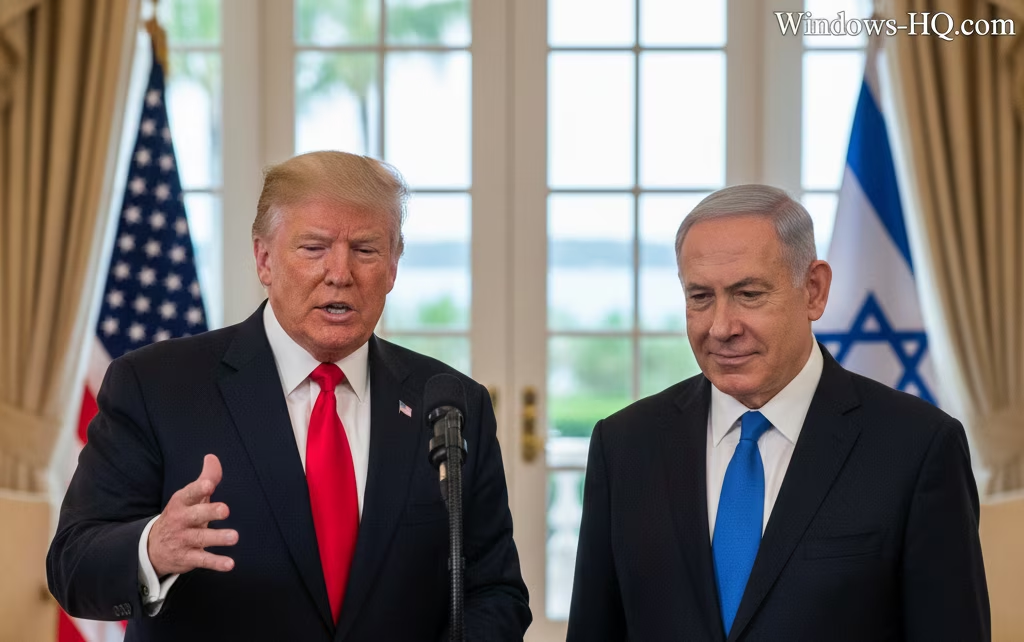
In a significant diplomatic move that has captured global attention, Donald Trump has issued a direct and firm demand for the total disarmament of Hamas. This call to action came immediately following a high-profile meeting with Israeli Prime Minister Benjamin Netanyahu at Mar-a-Lago. The discussions between the two leaders reportedly focused on the ongoing conflict in Gaza and the future of regional security. Trump’s stance marks a hardening of his rhetoric regarding the militant group, signaling a desire for a definitive end to their military capabilities as a prerequisite for any long-term stability.
The meeting between Trump and Netanyahu served as a platform for the former president to reiterate his staunch support for Israel’s security objectives. During their joint appearance, Trump emphasized that the cycle of violence in the region could only be broken if Hamas was stripped of its weaponry and its ability to govern Gaza. This perspective aligns closely with the current Israeli administration’s goals, which have prioritized the dismantling of Hamas’s infrastructure. The rhetoric suggests a unified front between the two leaders on the necessity of a decisive victory over the militant organization.
Netanyahu, for his part, welcomed Trump’s remarks, framing them as a clear-eyed assessment of the challenges facing the Middle East. The Prime Minister noted that the threat posed by Hamas remains an existential concern for the Israeli state and that international pressure for disarmament is a vital component of their strategy. The optics of the meeting—held at Trump’s Florida estate—underscored the enduring personal and political bond between the two men, which has historically influenced U.S. policy toward Israel and Palestine.
Critics and regional analysts have noted that the demand for disarmament, while politically potent, faces immense practical hurdles on the ground. Hamas has consistently rejected calls to lay down its arms, viewing its military wing as a core component of its identity and leverage. However, Trump’s intervention is seen by some as an attempt to shift the international narrative and put increased pressure on the group’s supporters and regional intermediaries. By framing the issue as a choice between total disarmament and continued conflict, Trump is attempting to set a high bar for any future negotiations.
The timing of this meeting is also seen as a strategic play within the broader context of global politics. As conflicts continue to simmer in various parts of the world, Trump’s involvement in the Middle East discourse serves as a reminder of his continued influence and his “peace through strength” philosophy. For Netanyahu, the public display of support from a high-profile American figure provides significant domestic political capital during a time of intense scrutiny over the conduct of the war.
As the international community reacts to the statements made in Florida, the focus remains on whether these words will translate into a change in the dynamics of the Gaza conflict. While the path to peace remains fraught with difficulty, the meeting has undoubtedly reinforced the hardline position that Hamas cannot remain a military force if there is to be a lasting resolution. The call for disarmament now stands as a central pillar of the Trump-Netanyahu vision for a post-conflict Middle East, setting the stage for further diplomatic and military developments in the coming months.