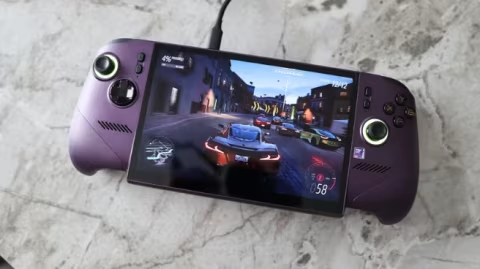
The MSI Claw 8 EX AI+ is the newest handheld device to utilize Intel’s Arc G3 Extreme system-on-chip. This powerful architecture, featuring two Performance cores running at 4.7GHz, eight Efficiency cores at 3.5GHz, and four Low Power cores, operates at 35W with an optional 45W PL2 boost.
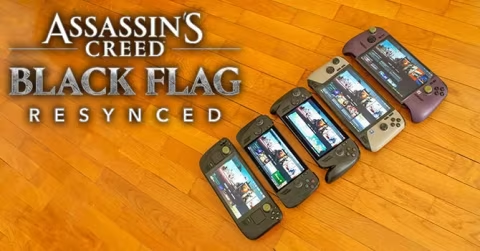
These core specifications are paired with 32GB of LPDDR5-8533 RAM and a 1TB M.2 2280 NVMe drive. The integrated hardware includes the BattleMage B390 GPU and a 46 TOPS NPU, enabling handling of demanding tasks beyond gaming. Reviewers noted its capability to run Windows games, handle Android titles via BlueStacks emulation, and manage productivity applications such as Photoshop, DaVinci Resolve, and encoding work.
Performance benchmarks place the Claw 8 EX AI+ as the fastest handheld in the segment. It scored 4,564 in the 3DMark Time Spy test, leading the ROG Ally X20’s score of 4,033, and substantially outpacing an older Z1 Extreme-based Ally X at 3,463.
Critics, however, consistently point to the device’s significant cost. Pricing details include $2,149 CAD from Real Hardware Reviews, £1,399.99 from Trusted Reviews, and $1,799 in the US market.
Many outlets frame the entire review around the question of value. Instead of simply comparing it to rival handhelds, the core discussion centers on whether the device’s capabilities justify its asking price, forcing consumers to weigh if the Claw can substitute for multiple devices, including a console, a laptop, and a dedicated hub.
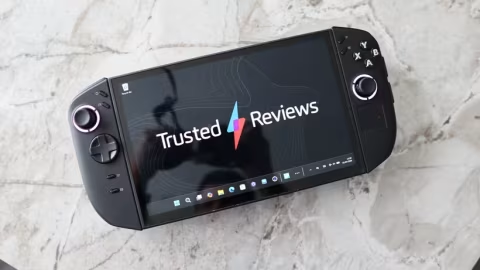
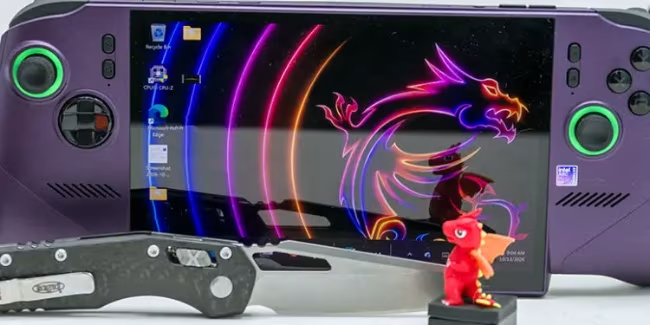
Physical design also drew attention. The unit features a 500-nit, 100 percent sRGB, multi-touch 1920×1200 display in a 16:10 format, which one site described as a superior aspect ratio. The physical build improved over its predecessor; reports noted more rounded grips and Hall effect thumbsticks flanking the 120Hz screen. Despite weighing 785 grams, one review argued this weight was the necessary cost for market-leading power.
Caveats remained clear across the board. Repeated concerns included the high price point, the absence of an OLED screen, and the ongoing imperfections of running Windows 11 on a handheld platform. Despite its raw power and efficiency, the consensus was that the device remains genuinely expensive.