Google Messages for Android is introducing a redesigned interface for displaying link and YouTube previews within user conversations. The update, currently visible in the latest beta version (20251121_00_RC01), aims for a significantly cleaner aesthetic, though it comes at the cost of some functional details.
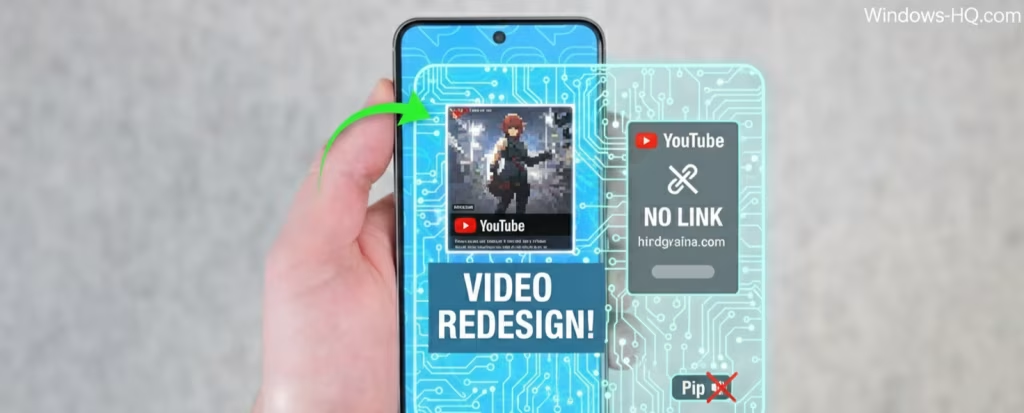
The previous preview design placed the sent URL at the top, followed by an image preview, with the page title, description, and domain at the bottom. The new look makes several visual adjustments to enhance scannability.
Key changes in the redesign include a taller cover image with less aggressive cropping, allowing for a better visual representation of the linked content. The bottom section now features a more prominent background and a larger title for improved readability.
However, the pursuit of a cleaner interface has led to some compromises. The new design removes the useful page snippet (description) and, controversially, hides the original link that was sent if the message contains nothing else. While this results in a less cluttered thread, the removal of the URL is considered an extreme step by some observers, mirroring the design of Google Discover.
In cases where a link is accompanied by additional text from the sender, the preview may be narrower to ensure the entire message remains easily viewable within the chat window.
Users who prefer the traditional display or wish to hide previews entirely can still do so by navigating to Messages settings > Automatic previews and toggling off the relevant options, or by long-pressing and copying the message to manually see the link.
In addition to the static link changes, the beta introduces changes to how YouTube links are handled. Tapping a YouTube link now opens the video directly within Google Messages’ restored picture-in-picture (PiP) player. There is currently no option to open the video in the dedicated YouTube application.
Disabling the PiP system preference forces the video to open fullscreen, still within Google Messages using the web player. These changes, coupled with a reported bug requiring users to “Sign in to confirm you’re not a bot” with no obvious login option, suggest that the YouTube player implementation is still in a rough stage and likely a bug that requires refinement before the wider public rollout.