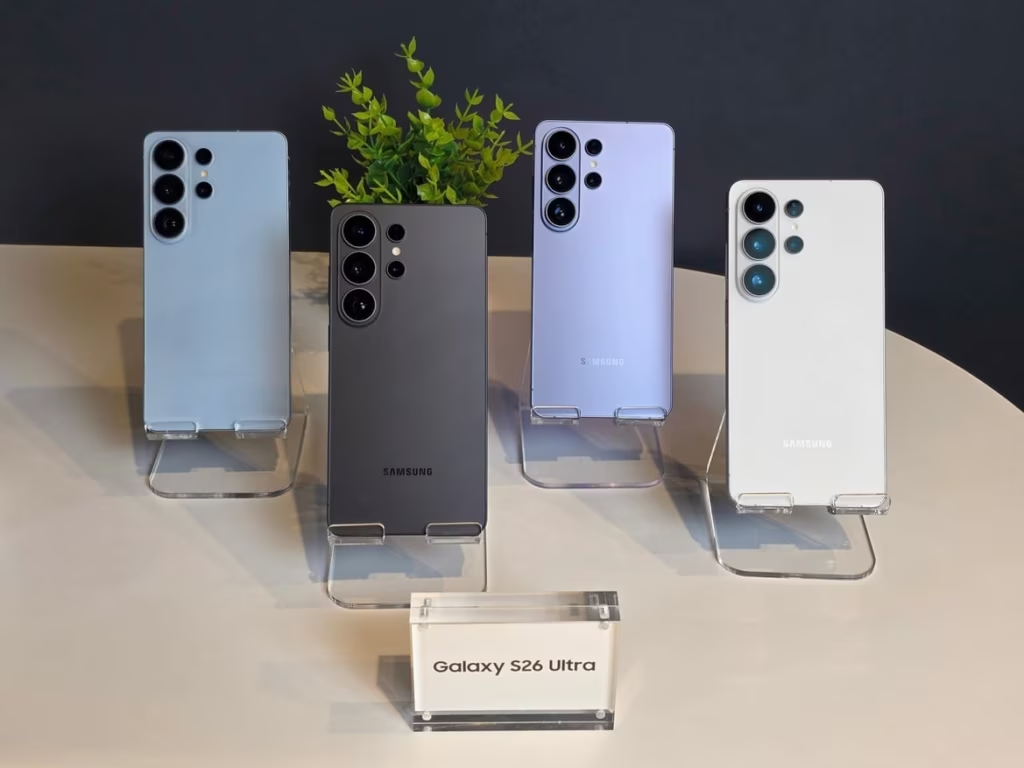
The Samsung Galaxy S26 Ultra maintains its position as one of the premier Android smartphones currently available in the North American market. The device continues to offer a premium experience, combining familiar features with a series of hardware improvements.
At the core of the new smartphone is Qualcomm’s Snapdragon 8 Elite Gen 5 for Galaxy. This processor delivers significant performance capabilities, providing the handset with a serious computational punch for demanding tasks.
A standout addition to the device is Samsung’s Privacy Display. This new screen technology introduces a genuinely useful and innovative layer of functionality for users interacting with the handset.
The camera system has received specific hardware upgrades, notably featuring larger aperture lenses. These improvements are applied to both the high-resolution 200-megapixel main sensor and the 50-megapixel 5x telephoto lens. The device also retains a 10-megapixel 3x telephoto lens.
Beyond processing and photography, the device introduces faster charging capabilities. Users benefit from increased speeds across both wired and wireless charging methods.
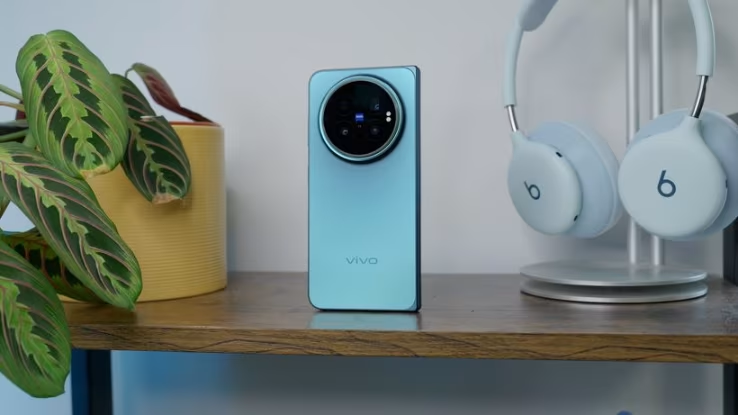
Despite these upgrades, the device lacks several features that have become standard on competing Chinese flagships. It does not include a high-capacity silicon-carbon battery, an IP69 rating for dust and water ingress, or more advanced camera hardware found in alternative markets.
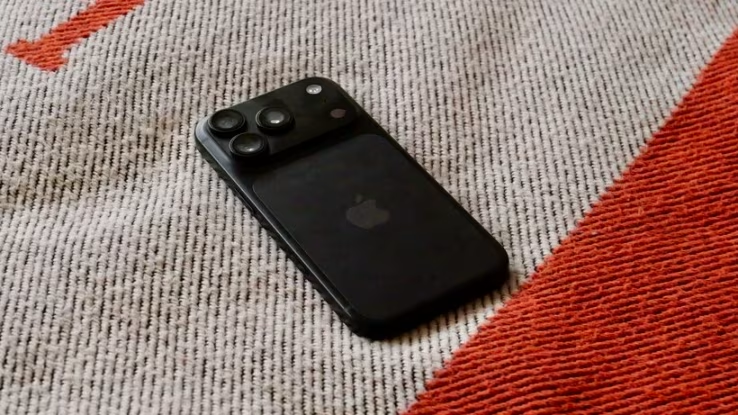
The absence of these features raises questions about whether the handset truly earns its Ultra designation. Furthermore, the device lacks built-in magnets—a feature utilized by Apple and Google—relying instead on magnetic cases, which are not currently considered a suitable alternative.
Priced at $1,299, the Galaxy S26 Ultra remains a recommended purchase, particularly for consumers who prefer Samsung’s specific user interface tweaks and require the integrated S Pen and its dedicated silo.
However, the device faces stiff competition from more affordable options. The OnePlus 15, priced significantly lower at $899, provides a highly competitive alternative that challenges Samsung’s latest flagship offering.
Moving forward, there is a case for Samsung to adjust its smartphone strategy by offering a pair of more affordable Pro flagships in two different sizes. This proposed approach would involve removing the integrated S Pen, making it an optional accessory, and dropping the vestigial 10-megapixel 3x telephoto lens.
Alongside these proposed Pro models, Samsung could then develop a true halo Ultra device priced at $1,599. By building a standard candy-bar smartphone with top-tier specifications akin to the Z TriFold, the company could more aggressively combat international competition.