The Xiaomi Redmi Note 17 Pro Max is a mid-range smartphone priced at £499 that prioritizes longevity and durability over cutting-edge camera or design features. It is positioned as a strong functional choice for users who value resilience and extended use.
Its standout feature is the massive 9,210mAh silicon-carbon battery, among the largest available in a phone. Testing showed the device easily managed three days of use, with lighter usage potentially reaching a fourth day. This extended battery life is supported by 100W wired charging, which can refill the battery in just over an hour, although reviewers noted that charging speeds with a UK adapter were slightly slower than Xiaomi’s stated claims.
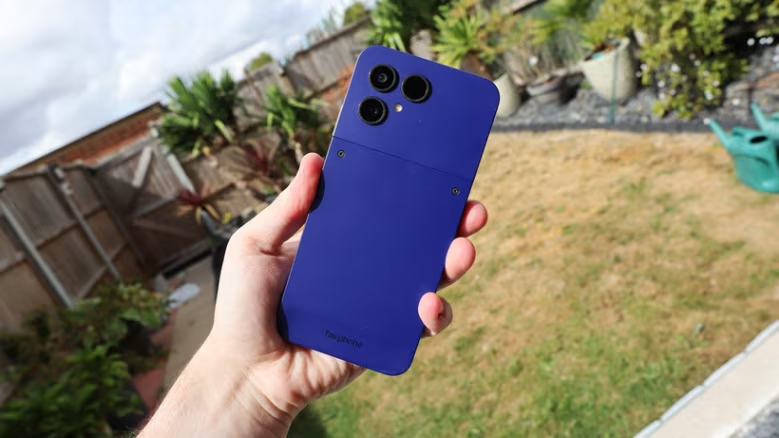
Durability is a key selling point. The phone features Gorilla Glass Victus 2 and a three-meter drop resistance. Furthermore, it achieves the highest possible IP ratings, including IP66, IP68, IP69, and IP69K, ensuring resistance to dust, water, and high-pressure jets. Despite these robust features, its design is described as uninspiring, with a plain look resembling an iPhone 12. The device is also relatively large and heavy, weighing 225g.
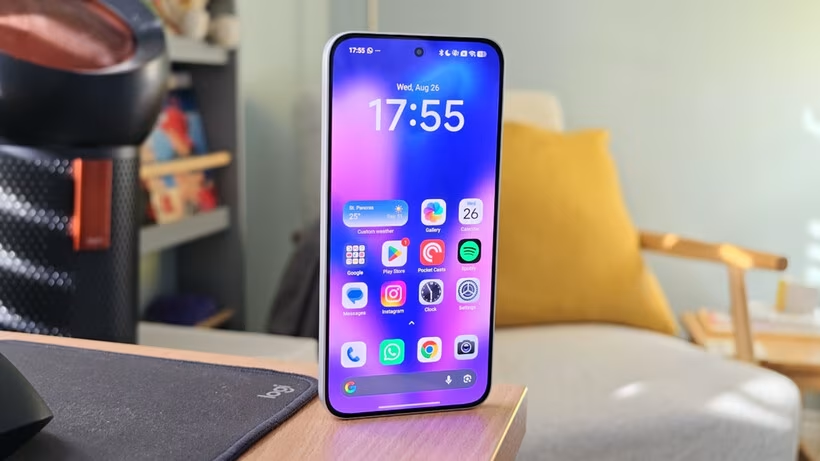
Despite its modest aesthetics, the 6.83-inch AMOLED display is highlighted for its price point. It offers a sharp 1.5K resolution, a 120Hz refresh rate, and excellent outdoor visibility with a peak brightness of 3,500 nits. To minimize eye strain, the screen includes 3,840Hz PWM dimming. The display also supports HDR10+ and Dolby Vision, making it exemplary for a mid-range device, even if it is not as well-calibrated as flagship models.
The camera system is noted as a weakness. The 50MP main camera, equipped with OIS, can capture wonderful images, particularly in bright light, and provides a filmic quality. However, the 8MP ultra-wide camera is only recommended for occasional use due to a lack of detail and blur in less-than-ideal conditions. For selfies, the 32MP camera is sharp and adequate for video calls. Video recording capability is limited to 4K at 30 frames per second and has been reported to suffer from jitter.
Performance is rated as “middling.” The phone operates using a Snapdragon 6 Gen 5 chipset paired with 8GB of RAM, which can occasionally lead to slight stuttering during daily use. Nevertheless, apps generally open swiftly, and the device is sufficient for casual gaming, although it tends to get hot after about ten minutes of intensive gaming. Storage options available are 256GB and 512GB.
In terms of software, the phone runs on Xiaomi’s HyperOS. Reviewers found the software clunky and overly engineered, pointing out changes that mimic iOS. Additionally, the operating system contains a significant amount of pre-installed bloatware. One notable software limitation is the permanent inability to enable an always-on display. The device does include Google Gemini for AI features.
The overall conclusion is that while the Redmi Note 17 Pro Max has flaws, such as its mediocre camera setup and inconsistent performance, it excels in delivering its core promises of stupendous battery life and sturdy build quality. It is presented as a solid mid-range Android option, particularly for users prioritizing multi-day battery longevity and a durable device at a reasonable price point.