The Oppo Find X10 Pro Max enters the market as a large, highly specified camera phone, receiving a broadly positive verdict that calls it an excellent smartphone for Android fans. However, the device’s high price point and pre-installed bloatware are noted drawbacks.
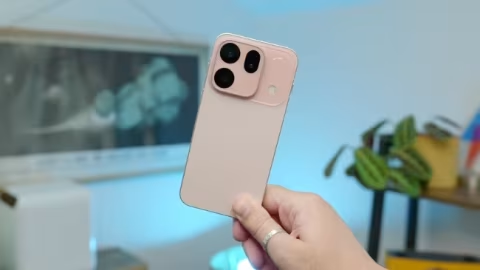
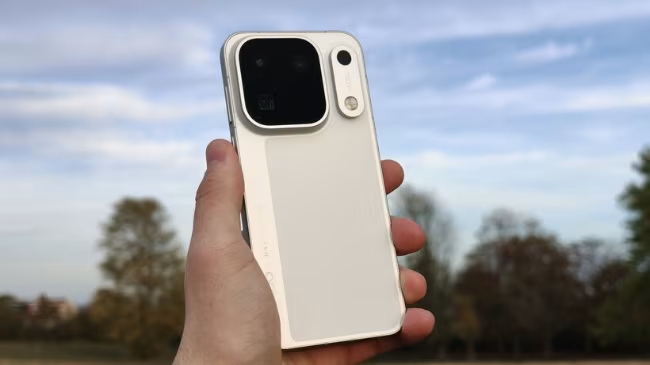
The physical build combines understated and interesting design elements. Available in Luna White, which features a textured glass back with an orange housing accent, or Titanium Grey, sporting a matte glass rear and an iPhone-like camera island. The textured glass is praised for improving both grip and visual appeal. Structurally, the phone boasts high durability, carrying IP66, IP68, and IP69 ratings. It remains relatively thin and light, weighing 233g or 235g, making it feel manageable despite its camera module.
The display is a 6.78-inch LTPO AMOLED screen, offering a 2772 x 1272 resolution at 450ppi. It features a fluid and immersive feel, with an adaptive refresh rate that can boost up to 144Hz for gaming. Peak HDR brightness reaches an impressive 3,600 nits. For media consumption, the stereo speakers provide an audio experience close to the iPhone in both volume and frequency response.
The core strength of the Find X10 Pro Max is its camera system, which is the first phone to include three 200MP rear cameras. These include a 24mm main sensor, a 13mm ultra-wide, and a 3x periscope telephoto lens. Reviewers noted the best parity between lenses of any phone tested. The main sensor captures bright, colourful, detailed shots that perform well in low light and retain detail even when cropped. The ultra-wide camera was particularly well-received for its ability to produce sharp macro shots. The telephoto lens is highlighted as a star feature, offering lossless cropping and an optional Hasselblad Teleconverter Kit that extends zoom to 10x.
Performance is powered by the MediaTek Dimensity 9600 Pro, paired with 16GB of RAM. Testing showed no dropped frames, app stutters, or crashes during a three-week period. While benchmark scores fall slightly below the iPhone 18 Pro and Galaxy S26 Ultra, the phone maintains a feeling of fluidity. Oppo’s software is ColorOS 17, based on Android 17. The operating system integrates Gemini throughout and includes useful AI features like Mind Space, which sorts various data points into a searchable database.
Battery life is exceptional. The Asia-Pacific model features an 8,000mAh silicon-carbon cell, providing enough power for a full 18-hour travel day involving streaming, mapping, and communications. Charging speed is 80W wired, although the large cell size means a full charge takes approximately 1 hour and 20 minutes. It also supports 50W wireless charging.
However, two criticisms stand out. First, the device carries a notably high price tag of £1,499, making it one of the most expensive non-folding phones on the market. Second, the software experience includes a substantial amount of pre-installed bloatware, such as Facebook and Booking.com.
While the phone offers robust update support—five years of OS upgrades and six years of security patches—some critics point out this is less than the seven-year guarantees offered by competitors. Furthermore, the removal of the beloved Quick Button, featured on the Find X9 Pro, is noted as a significant loss, especially considering the premium price.
Ultimately, the Find X10 Pro Max is positioned as an excellent smartphone for advanced Android users who prioritize a highly flexible and versatile camera system. For those willing to pay for its advanced camera capabilities and huge battery capacity, it represents a powerful step toward mobile perfection, despite its heavy weight and initial software drawbacks.