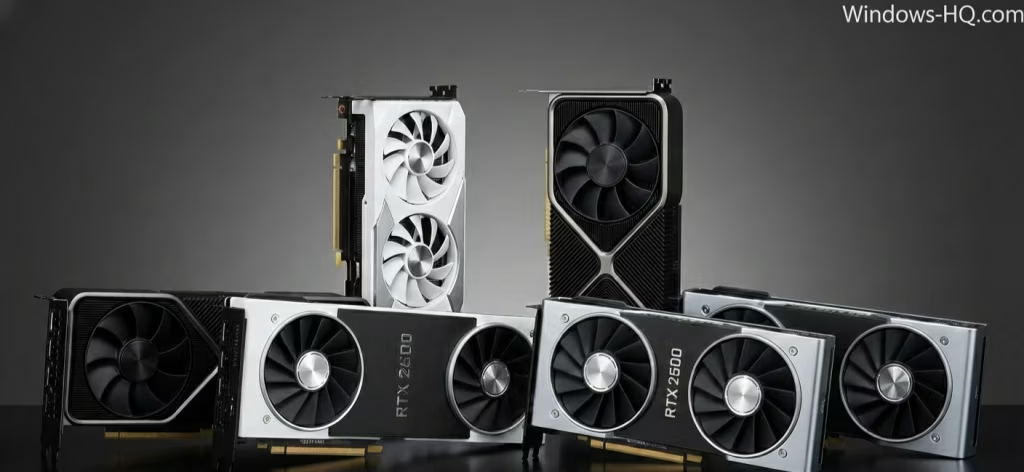
The PC gaming community is facing a potentially grim start to 2026 as rumors suggest Nvidia may drastically reduce the supply of its RTX 5000 series “Blackwell” graphics cards. Reports indicate that production could be cut by as much as 30% to 40% during the first half of 2026 compared to the same period in 2025. This significant adjustment in the manufacturing pipeline is primarily attributed to an escalating VRAM (video RAM) supply crisis and subsequent price hikes that are currently impacting the entire memory market.
While these reports originate from supply chain forums and should be treated with skepticism, they align with current market pressures. If VRAM becomes increasingly scarce and expensive, it is highly likely that Nvidia will prioritize its AI-focused graphics cards over consumer gaming GPUs. Because AI hardware generates profit margins that are higher by an order of magnitude, gaming products often take a back seat during periods of severe component shortages.
Specific models are already being identified as targets for these initial supply adjustments. Sources suggest the GeForce RTX 5070 Ti and the RTX 5060 Ti (16GB variant) will be among the first to see reduced availability. The focus on the 16GB version of the RTX 5060 Ti is particularly notable, as it uses a large amount of video RAM relative to its mid-range price bracket, making it less profitable for Nvidia to produce during a memory crunch.
The situation for third-party graphics card manufacturers, such as ASUS, MSI, and Gigabyte, may be equally difficult. Speculation suggests that Nvidia could stop bundling VRAM chips with its GPUs when selling silicon to these partners. In such a turbulent market, smaller manufacturers may lack the leverage to secure their own independent supply of VRAM, potentially leading to even fewer Blackwell-based cards reaching retail shelves.
This supply constraint casts a long shadow over the future of the RTX 5000 series lineup. The industry has been buzzing with rumors regarding RTX 5000 Super refreshes, which were expected to feature even higher VRAM allocations. Given the current memory crisis, these new products may face lengthy postponements or even cancellation, as the “grapevine” consensus shifts toward a late 2026 launch at the earliest.
Ultimately, the combination of high demand for AI components and the scarcity of critical memory modules creates a “perfect storm” for the gaming market. If these production cuts materialize, gamers may find themselves back in a familiar and frustrating cycle of low inventory and inflated pricing for current-generation hardware.