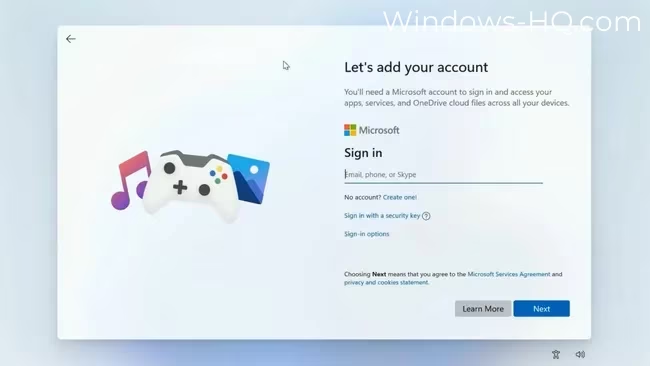
Microsoft is currently reconsidering the controversial requirement that forces users to log in with a Microsoft account during the initial setup process of Windows 11. This potential policy shift is a direct response to significant user pushback and ongoing internal discussions within the company. The adjustment aligns with a broader initiative to improve the overall user experience on the operating system.
For years, the mandatory Microsoft account requirement has been a notable pain point for many Windows 11 users. The current policy demands an active internet connection during installation and forces users to either create or sign in with an online account. Many individuals have viewed this mandate as an invasion of privacy and an unnecessary hurdle during device setup.
The potential removal of this requirement aims to directly address the widespread frustration and criticism from the user base. Microsoft Vice President Scott Hanselman has publicly acknowledged the issue, stating on X that he “hates that” mandatory login requirement and is currently “working on it.”
While Hanselman’s comment is not an official confirmation of an immediate update, it indicates that the issue is being actively discussed and addressed internally. Reports show that several influential individuals within Microsoft are pushing for an online account-free setup experience. These employees view the change as a crucial step in regaining user trust and elevating the overall quality of Windows 11.
If Microsoft officially proceeds with this alteration, future Windows 11 installations could offer a much more flexible setup process. Users would have the option to choose a local account instead of an online one, providing greater control over privacy and reducing forced reliance on the Microsoft ecosystem. Currently, no concrete timeline has been announced for when this change might take effect.
The push to remove the mandatory login is part of a larger, ongoing effort by the company to enhance the Windows 11 ecosystem. Microsoft is concurrently looking to reduce the number of intrusive Copilot AI integrations across various built-in applications. Specific programs targeted for this reduction include the Snipping Tool, Photos, and Notepad.
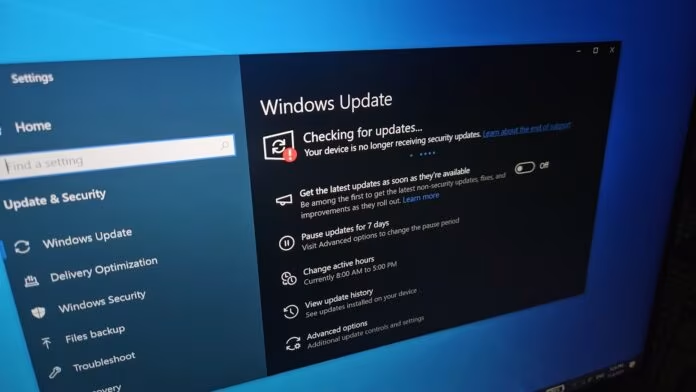
In addition to adjusting AI features, Microsoft aims to make Windows Updates significantly less disruptive to the daily workflow. The company plans to offer users more control over the installation of these updates while simultaneously reducing the frequency of automatic system restarts.
Other planned improvements to the operating system focus on interface flexibility and speed. Future updates are expected to include the ability to reposition the taskbar, introduce a faster File Explorer, and provide better widget management for all users.