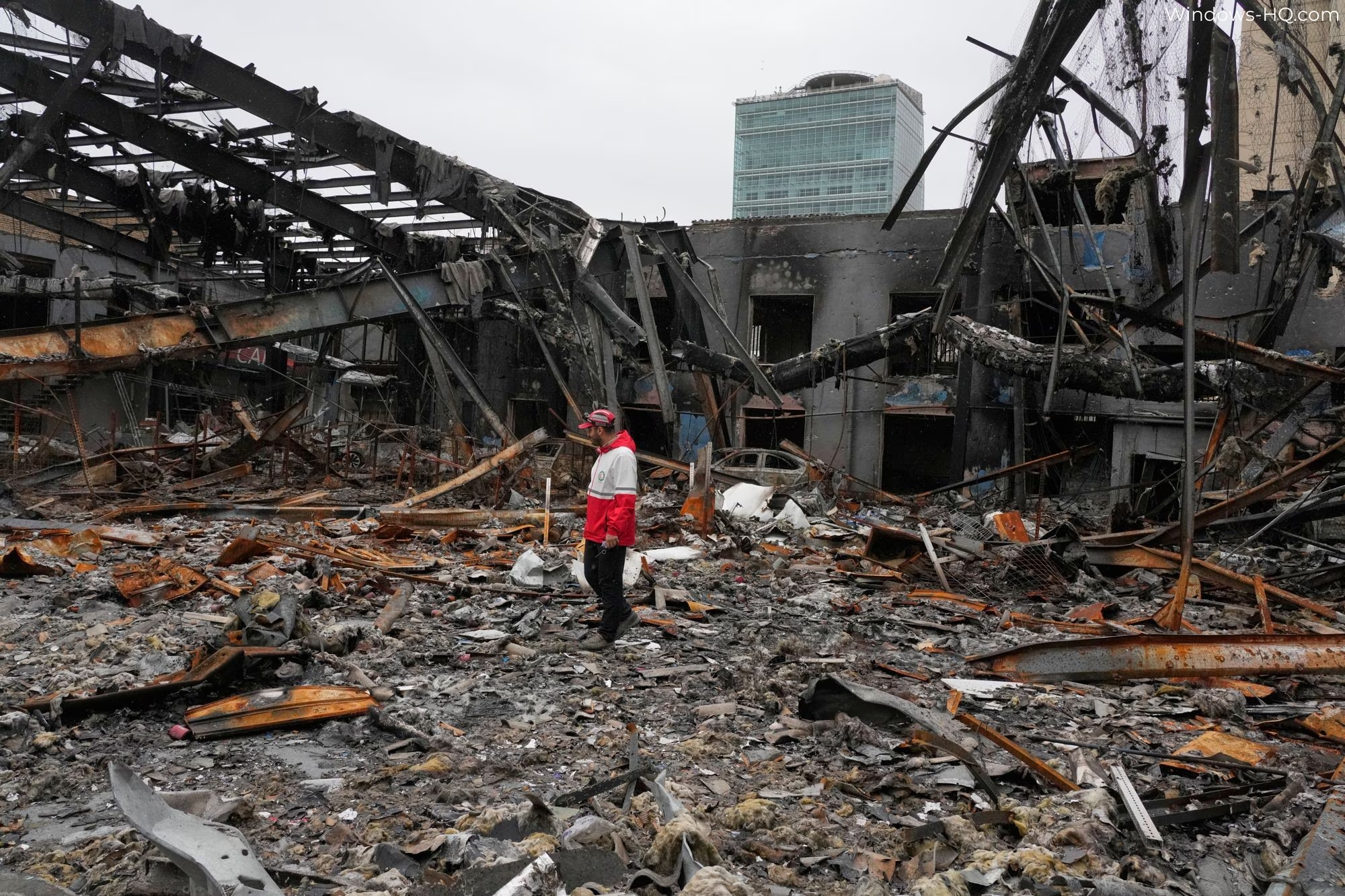
Foreign ministers from Pakistan, Turkiye, Egypt, and Saudi Arabia have convened in Islamabad to seek ways to de-escalate the ongoing US-Israel war on Iran. The diplomatic meeting comes as attacks and retaliations spread rapidly across the Middle East.
Iran has threatened retaliatory strikes on Israeli and United States universities located in the Middle East. This warning follows powerful explosions hitting Tehran and reports of deaths in Shaft and Bandar Khamir. The Israeli military stated it has completed another wave of strikes targeting Iranian government infrastructure in Tehran and additional areas.
Iranian attacks have already resulted in damage and injuries in Israel and the Gulf region. Facilities belonging to Aluminium Bahrain and Emirates Global Aluminium reported that their sites were struck during the recent escalations.
Simultaneously, Yemen’s Houthis launched a second drone and missile assault on Israel. The group stated that these assaults will persist until Israel ceases its attacks and aggression.
In northern Israel, rockets fired by Hezbollah continue to pound areas near the Israel-Lebanon border, causing infrastructural damage. Israeli sources reported no casualties in the latest strikes but are currently assessing the extent of the damage. Furthermore, Israel is rationing its use of interception missiles, noting that production takes time and stockpiles are insufficient for a prolonged period.
Public opposition to the conflict is growing, with protests against the war on Iran taking place in Tel Aviv and across several cities in the United States. Demonstrators also took to the streets of Beirut, Lebanon, following an Israeli targeted strike that killed three journalists.
Former Indian diplomat KP Fabian, who previously served as an envoy to countries including Italy and Qatar, told the ANI news agency that there is “no clear sign” of when the conflict will end. He described the situation as a “dance of death and destruction,” stating that US President Donald Trump and Israeli Prime Minister Benjamin Netanyahu are central to any efforts to halt the fighting.
Fabian noted that Washington is sending “mixed signals,” pointing out that US officials have suggested their objectives are achieved while simultaneously facing rising gas prices domestically. He emphasized that any ceasefire would require both the United States and Israel to halt military action, as Iran was primarily responding to being attacked.
In the Gulf, Oman’s Foreign Ministry announced that authorities are investigating the source and motives behind recent unclaimed attacks on its territory. On Saturday, two drone attacks targeted Oman’s Salalah port, injuring a worker and causing damage to a crane. The ministry reiterated Oman’s commitment to a policy of “active neutrality” and urged all warring parties to return to diplomacy.