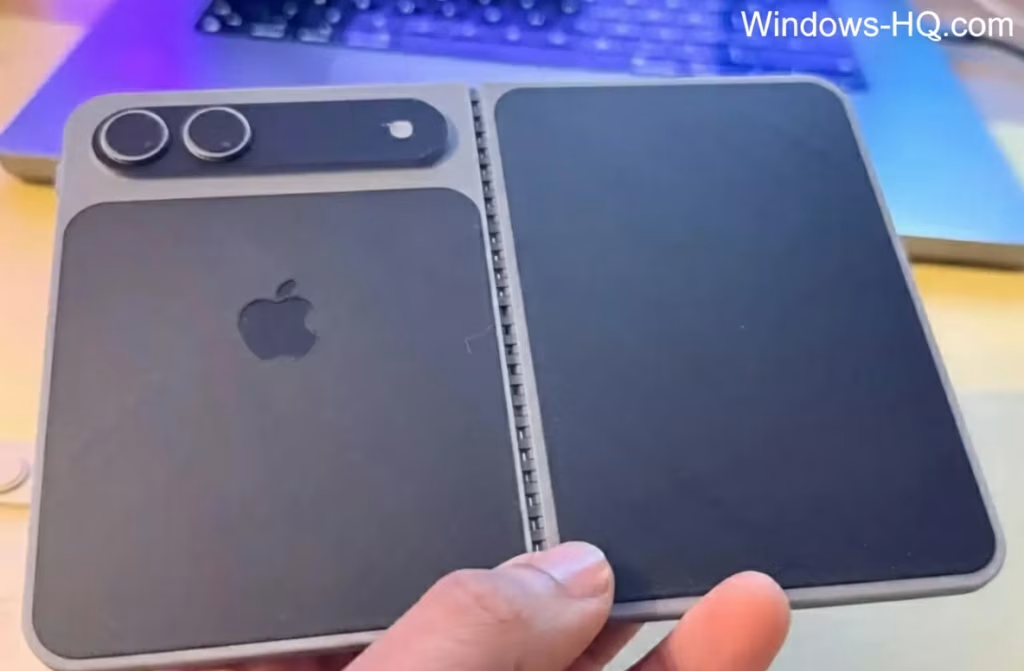
The long-rumored “iPhone Fold” is gaining physical shape thanks to a new 3D-printed dummy model that has emerged online. Created by a user known as Subsy and shared on MakerWorld, this plastic reference model is reportedly based on leaked CAD files directly from Apple’s production lines. While the model isn’t a functional electronic device, it provides the most tangible look yet at how Apple intends to differentiate its first foldable from the established competition in the Android market.
Apple’s approach to the foldable form factor appears to be quite radical compared to the tall, narrow designs used by Samsung and Google. According to the dummy model, the iPhone Fold will prioritize an unfolded aspect ratio that closely mimics an iPad mini. This design choice results in a much more “square-ish” shape when the device is folded shut, moving away from the traditional elongated rectangular silhouette of a standard smartphone. This suggests a wider internal canvas that could be better suited for multitasking and media consumption in a widescreen format.
This square-like folded footprint would mark a significant departure in user experience, as it would likely change how the phone feels in a pocket and how it is operated with one hand while closed. By opting for a wider unfolded screen, Apple seems to be positioning the device more as a pocketable tablet hybrid rather than just a folding phone. This aligns with Apple’s historical tendency to wait until a technology matures before entering the market with a design that redefines the category’s ergonomics.
Industry observers suggest that we may see the first software hints of this new design at WWDC in June. While Apple is unlikely to reveal the hardware early, the company may introduce new UI scaling tools for developers, allowing apps to transition seamlessly between standard iPhone aspect ratios and this new wider, square-ish format. Such a move would be a necessary precursor to launching a device with a screen shape that differs so drastically from existing iOS hardware.
The arrival of high-quality CAD-based dummies often signals that a product’s design is nearing its final stages. With rumors pointing toward a potential 2026 launch, this 3D-printed model serves as a vital physical reference for enthusiasts and accessory makers. It challenges the assumption that Apple would simply follow the “flip” or “fold” blueprints laid out by competitors, suggesting instead that the Cupertino giant is ready to introduce a brand-new silhouette to the mobile landscape.
Ultimately, the iPhone Fold dummy highlights Apple’s ambition to merge the iPhone and iPad experiences into a single, cohesive unit. If these leaked dimensions prove accurate, the tech world is looking at a device that doesn’t just fold for the sake of folding, but one that fundamentally shifts the aspect ratio of the mobile experience. As anticipation builds, this 3D-printed plastic shell remains the closest look we have at Apple’s next major evolution in hardware.