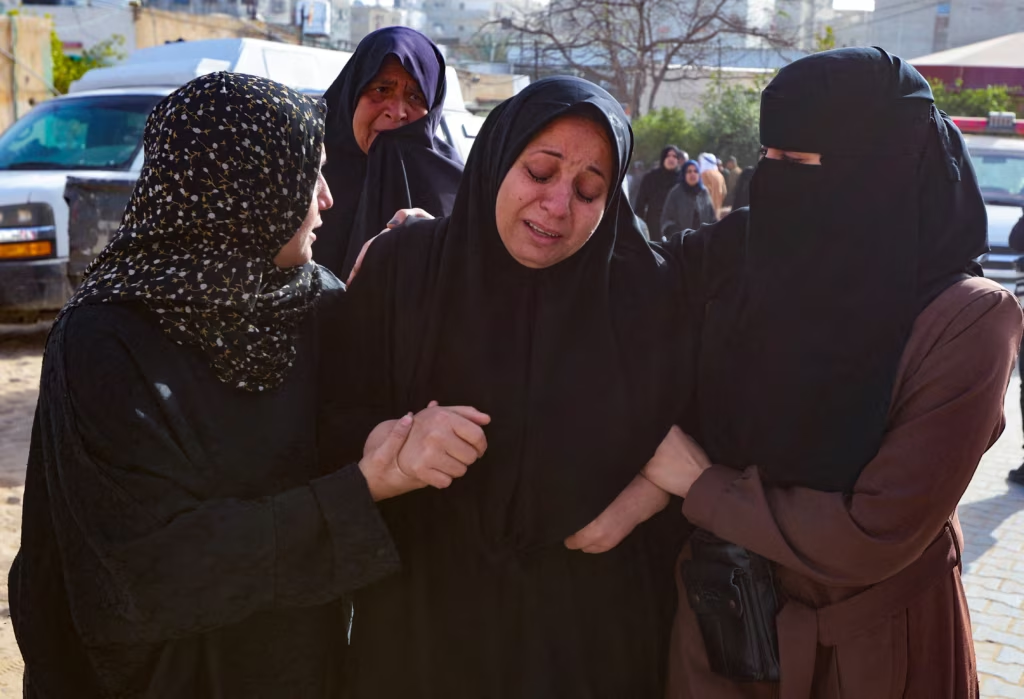
Reports emerging from the Gaza Strip indicate a significant escalation in the ongoing conflict, with at least 11 Palestinians confirmed dead following a series of Israeli attacks. The fatalities, occurring on February 15, 2026, mark a grim day for the besieged enclave, underscoring the volatile nature of the Israeli-Palestinian conflict and its devastating human cost. Emergency services and medical personnel have been working tirelessly amidst the chaos to retrieve the dead and treat the wounded.
Eyewitnesses and local media outlets described intense bombardment across various locations within Gaza. Areas targeted reportedly included residential neighborhoods, agricultural lands, and sites identified by Israel as militant infrastructure. The nature of the attacks, which included airstrikes and artillery shelling, caused widespread panic among the civilian population, already reeling from years of blockade and previous conflicts. Many structures were damaged, and infrastructure further strained.
Palestinian officials swiftly condemned the Israeli actions, characterizing them as a blatant act of aggression and a violation of international law. Representatives from the Palestinian Authority and various factions in Gaza called for immediate international intervention to halt the attacks and protect civilians. They reiterated their appeals for an end to the occupation and the siege on Gaza, which they argue contributes to the cycle of violence.
In response, the Israeli military confirmed conducting operations in the Gaza Strip, stating that the strikes were a direct response to perceived security threats originating from the enclave. An official military spokesperson indicated that the targets were sites belonging to militant groups, including rocket manufacturing facilities and launchpads, asserting that the actions were necessary to protect Israeli citizens from potential attacks. Israel maintains its right to self-defense against what it describes as continuous aggression.
The immediate aftermath of the attacks has highlighted a severe humanitarian crisis. Among the casualties are reportedly civilians, including women and children, although specific demographics are still being confirmed. Hospitals, already operating under immense pressure due to chronic shortages of medical supplies and equipment, are struggling to cope with the influx of injured individuals. The psychological toll on Gaza’s residents, particularly its younger generation, is immeasurable, as they repeatedly endure cycles of violence and trauma.
The latest surge in violence has prompted expressions of concern from the international community. Several nations and global organizations have called for an immediate de-escalation of tensions and urged both sides to exercise restraint. There are renewed appeals for a return to diplomatic efforts aimed at finding a lasting political solution to the entrenched conflict, emphasizing the urgent need for civilian protection and humanitarian access.
These events unfold against the backdrop of decades of unresolved conflict and the protracted Israeli blockade on Gaza, which has severely restricted the movement of goods and people since 2007. Critics argue that the blockade has crippled Gaza’s economy, exacerbated poverty, and contributed to a sense of desperation that often fuels further unrest. The cycle of violence frequently follows periods of heightened tension or specific triggering incidents.
As the situation remains volatile, the prospect of further escalation looms large. Residents in Gaza live under constant fear, while regional stability continues to be threatened by the ongoing hostilities. Observers suggest that without a fundamental shift in political dynamics and a genuine commitment to addressing the root causes of the conflict, the future for both Palestinians and Israelis will remain characterized by intermittent violence and profound uncertainty.