The highly anticipated GNOME 50 Beta has officially been released, marking a significant milestone in the development cycle of one of the most popular desktop environments for Linux. This pre-release version offers an exciting sneak peek into the upcoming stable release, inviting enthusiasts, developers, and power users alike to experience and contribute to the evolution of the Linux desktop.
This beta build showcases a multitude of improvements and introduces several new features designed to enhance user experience, boost performance, and refine the overall aesthetic. Developers have focused on creating a more cohesive and intuitive interface, building upon the strong foundations laid by previous GNOME iterations while pushing boundaries with innovative design choices.
Among the most noticeable changes, users will find a thoroughly revamped Quick Settings panel, offering quicker access to essential system toggles like Wi-Fi, Bluetooth, and power modes. This redesign aims to streamline everyday interactions, reducing clicks and making system management more efficient and user-friendly. The Notification Center has also seen updates, promising clearer organization and more actionable notifications.
Performance enhancements are a major highlight of GNOME 50. The development team has put considerable effort into optimizing the shell, resulting in smoother animations, faster application launching, and a more responsive overall system. Memory usage has been refined across various components, ensuring a snappier experience, especially on systems with limited resources.
Under the hood, significant advancements have been made in Wayland integration, further cementing its role as the default display server. GNOME 50 Beta brings improved multi-monitor support, better handling of high refresh rates, and groundwork for future features like HDR. These technical improvements contribute to a more modern and stable graphical stack for the Linux ecosystem.
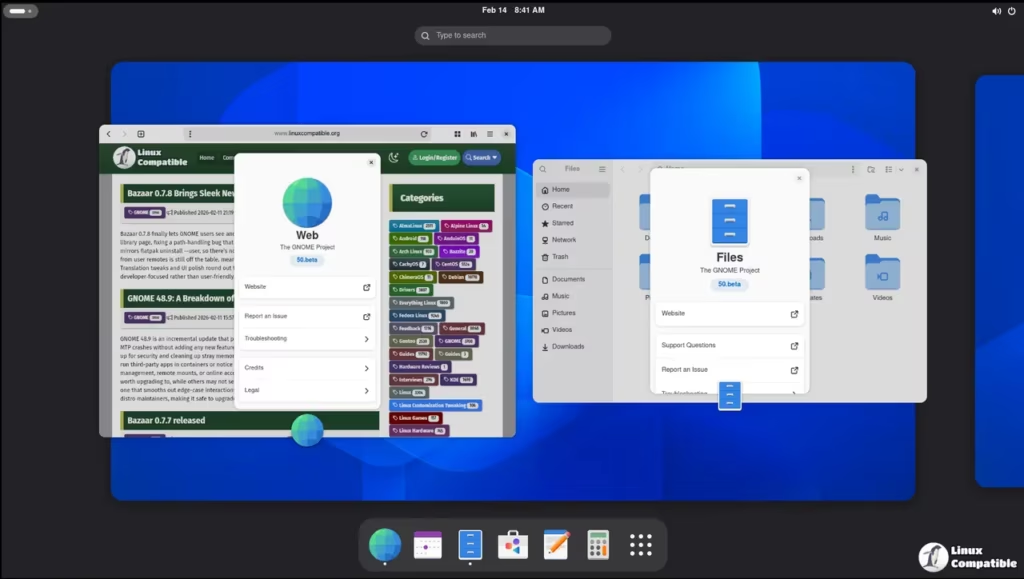
Core GNOME applications have also received substantial updates. The Files application (Nautilus) benefits from new usability tweaks and performance boosts, making file management more efficient. Other applications like Calendar, Weather, and Clocks have been refined with updated user interfaces and new functionalities, ensuring a consistent and polished experience across the desktop.
Accessibility has been a continuous focus for the GNOME Project, and version 50 is no exception. The beta includes several improvements for users with diverse needs, from enhanced screen reader support to better high-contrast themes and keyboard navigation. These changes underscore GNOME’s commitment to creating an inclusive computing environment for everyone.
For developers, GNOME 50 further deepens its integration with GTK 4, providing a robust and modern toolkit for creating native applications. New APIs and improved documentation aim to empower developers to build stunning and performant applications that seamlessly blend into the GNOME environment. The development tools themselves have also seen refinements, making the entire development workflow smoother.
The release of GNOME 50 Beta represents thousands of hours of work by a global community of developers, designers, and testers. It embodies the open-source spirit, where collaboration and collective effort drive innovation. This beta phase is crucial for identifying and squashing bugs, refining features, and ensuring that the final stable release is as robust and reliable as possible.
Users eager to explore the future of the Linux desktop can download and install the GNOME 50 Beta through various testing repositories or by using development builds of popular Linux distributions. It is important to remember that this is a beta release, meaning it may contain bugs and is not recommended for production environments. However, installing it in a virtual machine or a secondary partition is an excellent way to contribute.
By testing the beta and reporting any issues encountered, users play a vital role in shaping the final product. Feedback on new features, performance, and overall user experience is invaluable to the GNOME development team. This collaborative approach ensures that GNOME 50 will be a release that truly meets the needs and expectations of its diverse user base.
The stable release of GNOME 50 is expected in the coming months, promising a powerful, elegant, and highly functional desktop environment for Linux users worldwide. Until then, the beta offers an exciting opportunity to witness firsthand the continuous innovation and dedication that defines the GNOME Project’s commitment to the open-source community.