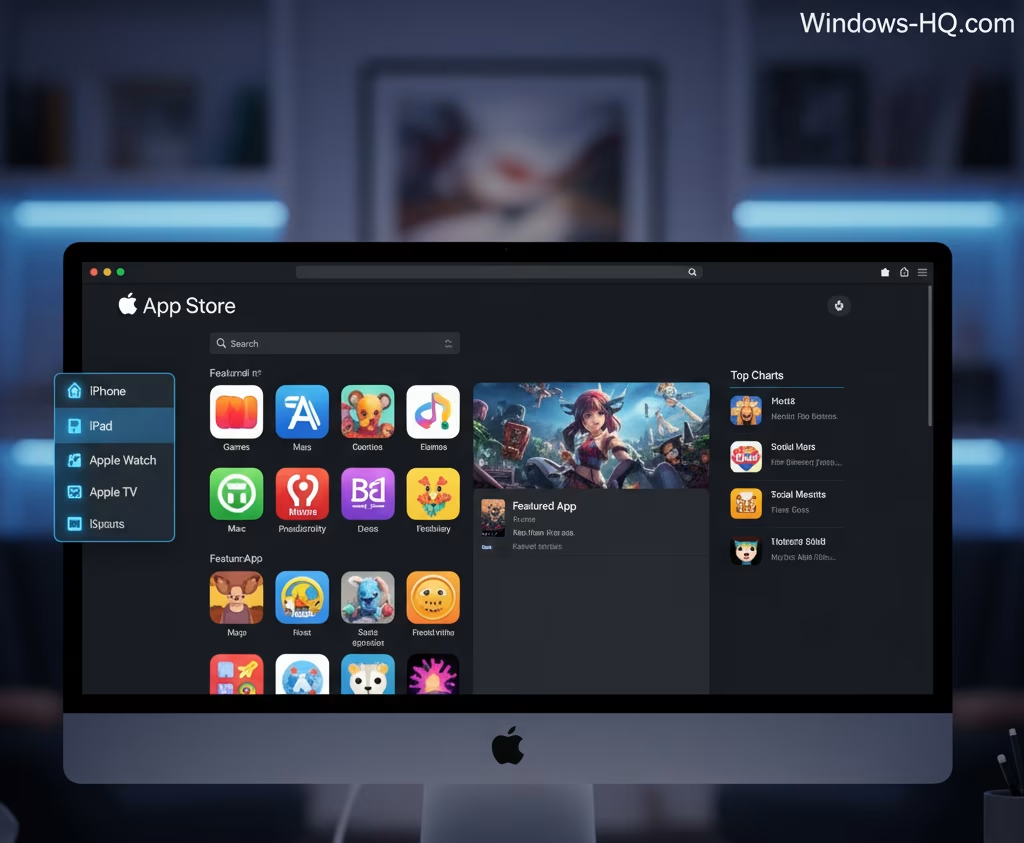
For users deeply ingrained in the Apple ecosystem, the App Store has always been the single, native destination for installing new applications. Yet, surprisingly, up until today—a staggering 17 years after the store’s debut—the logical web address, apps.apple.com, did not actually take users to a functional, browser-based version of the digital storefront.
This long-overdue change means that for the first time, users can now access and browse the entire App Store catalog directly through a web browser. While many might question the necessity of a browser version when the native App Store is pre-loaded on every Apple device, the previous lack of a proper web interface was a glaring omission in Apple’s digital presence.
The new browser App Store offers all the expected features of the native application. Users can select their desired hardware platform (such as iPhone, iPad, Mac, etc.) from a dropdown menu, utilize a dedicated search field, and explore software through a list of app categories. This allows individuals to peruse software for different Apple platforms regardless of the machine they are currently using to browse the web.
Despite its improved functionality, the browser version still serves primarily as an informational hub. When users navigate to a specific application’s listing, they won’t be able to purchase or download the software directly. Instead, the entry will prompt them to open the listing in the device’s native App Store, where the actual purchase and installation process must be completed.
Ultimately, the rollout of this browser-accessible App Store, while functional and comprehensive, raises two main points: astonishment that it took until 2025 to create such a fundamental web component, and a lingering question over how frequently the average user will actually opt for the browser experience over the seamless integration of the native App Store app.