OpenAI, the dominant force in generative artificial intelligence, is facing renewed pressure from a major Japanese trade organization, which is demanding that the tech giant cease training its AI models on copyrighted content without proper permission. The request, spearheaded by the Content Overseas Distribution Association (CODA), directly impacts high-profile members, including the globally influential animation studio, Studio Ghibli.
The Ghibli Effect and Generative AI
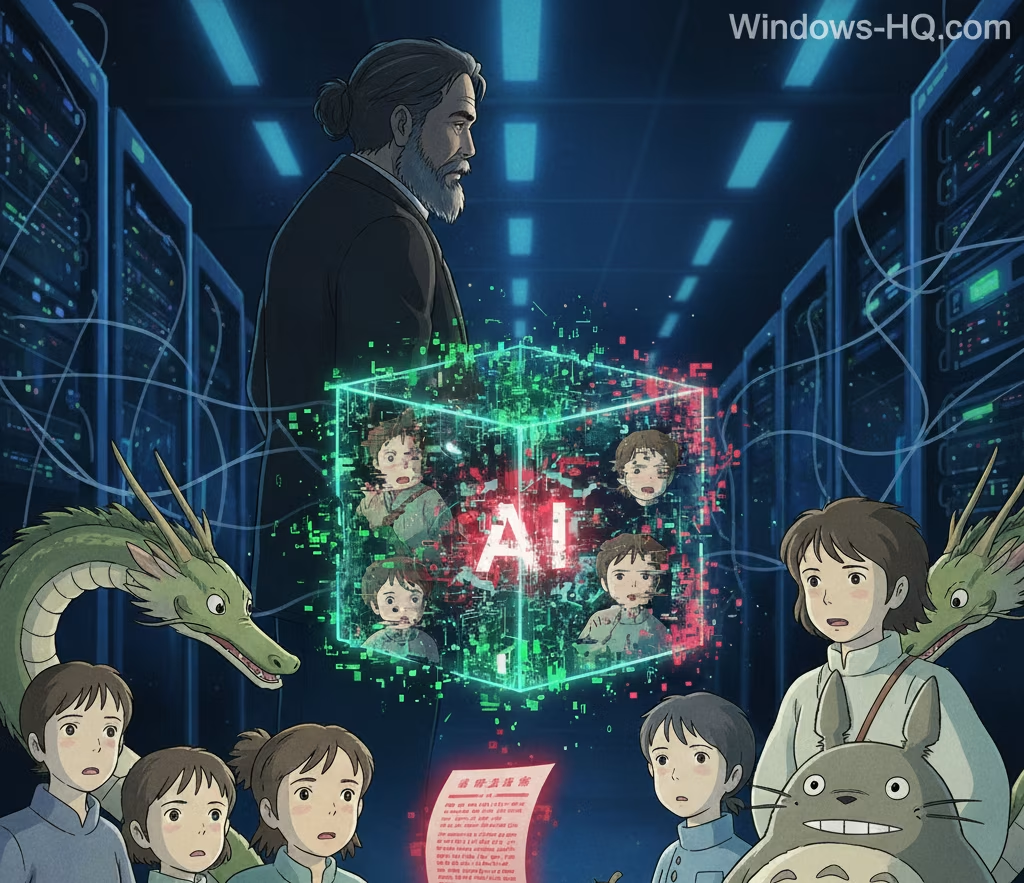
Studio Ghibli, the acclaimed studio behind masterpieces like Spirited Away and My Neighbor Totoro, has seen its unique artistic style become one of the most popular prompts in generative AI. When ChatGPT’s native image generator was released, prompting for “Ghiblified” selfies and pet photos quickly became a viral trend. The phenomenon was even acknowledged by OpenAI CEO Sam Altman, who momentarily used a Ghibli-inspired image as his profile picture on X.
Now, with the wider rollout of the Sora app and its powerful video generation capabilities, the issue of unauthorized use of copyrighted material is escalating, leading CODA to take formal action.
The Request: Permission, Not Forgiveness
CODA has formally requested that OpenAI refrain from using its members’ content for machine learning unless explicit permission is granted. This move is a direct challenge to OpenAI’s prevalent approach of operating on a principle of “asking forgiveness, not permission” regarding copyrighted material.
This strategy has created an environment where users can easily generate images and videos of copyrighted characters and even deepfake deceased celebrities, prompting complaints from major institutions like Nintendo and the estate of civil rights leader Dr. Martin Luther King, Jr.
The Legal Battleground: US vs. Japan
The central issue remains the murky legal status of using copyrighted material for AI training. In the United States, the law is still unclear, as US copyright law has not been significantly updated since 1976, leaving little precedent for judges to guide their interpretation. While a recent federal ruling found that Anthropic did not violate copyright law by training its AI on protected books (though the company was fined for pirating the books), the legal landscape is constantly shifting.
CODA asserts that the legal situation in Japan is fundamentally different. They contend that the unauthorized replication of works during the machine learning process may constitute a copyright violation under Japanese law.
Japan’s Strict Copyright Stance
CODA’s letter specifically highlights the differing legal frameworks. It argues that in cases where specific copyrighted works are reproduced or similarly generated as outputs, the act of replication during machine learning may constitute an infringement. “Under Japan’s copyright system, prior permission is generally required for the use of copyrighted works, and there is no system allowing one to avoid liability for infringement through subsequent objections,” CODA stated.
This firm stance places the onus squarely on OpenAI to negotiate and obtain consent before using the content.
The Artistic Disgust
The objection from the Japanese publishing sector aligns with the previously expressed feelings of Ghibli’s core creative figure, Hayao Miyazaki. While he has not commented directly on the recent AI interpretations of his studio’s style, his past remarks suggest strong philosophical opposition to the technology.
In 2016, when shown AI-generated 3D animation, Miyazaki responded that he was “utterly disgusted.” He elaborated, saying, “I can’t watch this stuff and find it interesting… I feel strongly that this is an insult to life itself.” These comments underscore the deep conflict between the generative technology and the deeply humanistic tradition of Japanese animation.
Ultimately, the decision to cooperate with CODA’s request rests with OpenAI. Should they refuse, the aggrieved parties will be forced to file a lawsuit, potentially setting a crucial international legal precedent regarding AI training and artistic property rights.