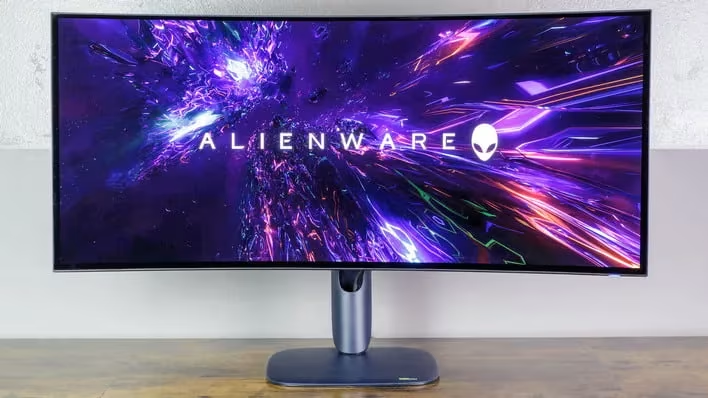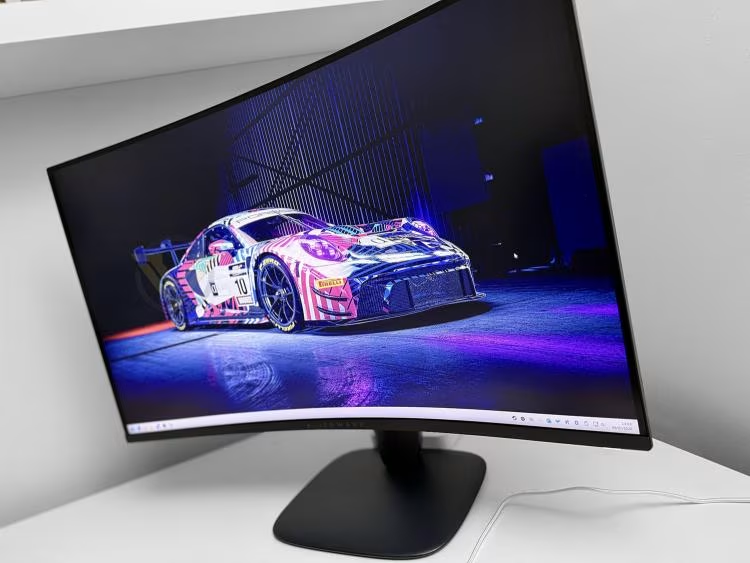
The Alienware AW3226DM is positioned as a budget-friendly gaming monitor, priced at $299 USD or 600 AUD. It targets gamers seeking the Alienware brand and premium styling without a flagship price tag.
The monitor features a 31.5-inch QHD (2560×1440) VA panel with a 1500R curve. Key gaming specifications include a 240Hz refresh rate, a 1ms response time, AMD FreeSync Premium and VESA AdaptiveSync support.
Display technology features include Dolby Vision plus VESA DisplayHDR 400 certification, 95% DCI-P3 colour coverage, and a 3000:1 contrast ratio. Connectivity options include HDMI 2.1 and a front-mounted USB-C port.
Viewing angles were noted as a strength for the VA panel, as color shift and brightness loss were kept to a minimum even from extreme horizontal or vertical positions, making it suitable for sharing content.
HDR performance was also satisfactory at this price point. The monitor achieves a typical HDR brightness of 450 nits, producing punchy highlights, and the contrast combined with the wide colour gamut delivered convincing depth in games and media, particularly colourful racing titles, although it cannot match OLED black levels.
Outside of gaming, the 31.5-inch QHD canvas provided ample desktop space for multitasking and benefited photo editing due to the vibrant VA panel.
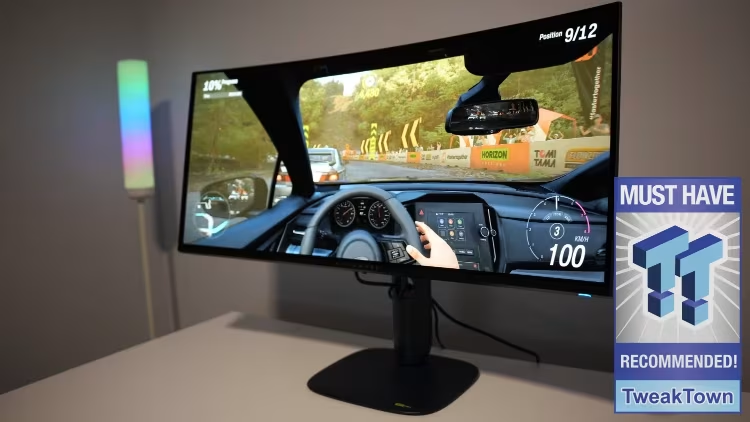
In gaming performance, the combination of the 240Hz refresh rate, 1ms response time, and adaptive sync technologies delivered exceptionally fluid and responsive motion. This performance was demonstrated flawlessly in Assetto Corsa Rally, showing crisp visuals and excellent motion clarity.
One noted drawback was a degree of backlight bleed during very dark loading screens or black backgrounds. This appeared as lighter patches around parts of the panel, which is typical for VA-based LCDs and varies unit to unit, becoming noticeable specifically in near-black content in a dark room while disappearing during regular use.
The overall verdict recommends the monitor based on its value for money. Key wins cited include the silky 240Hz performance, good viewing angles for a VA panel, HDR 400 support, VESA mount compatibility, and the front USB-C port.
The trade-offs acknowledged include a basic stand, a visible bezel border within Windows despite thin physical bezels, and the slight backlight bleed. The display is framed as a fast, capable, affordable QHD gaming monitor, aiming to compete in the budget-to-midrange QHD space rather than competing with OLED at a higher price.