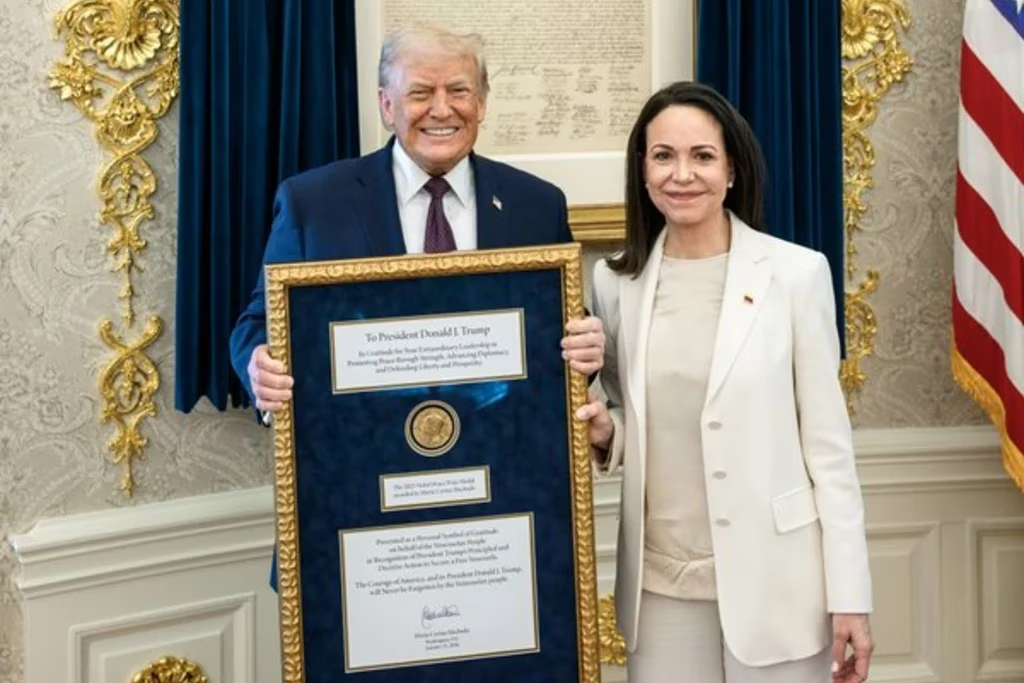
In a symbolic gesture of gratitude, Venezuelan opposition leader Yaneth Marquez has reportedly presented former U.S. President Donald Trump with her Nobel Peace Prize. While details surrounding the award itself remain unclear, the act underscores the perceived role Trump played in supporting the Venezuelan opposition against the Maduro regime.
The context of this presentation stems from the deep political crisis that has plagued Venezuela for years. Nicolas Maduro’s presidency has been marked by accusations of authoritarianism, human rights abuses, and economic mismanagement, leading to widespread protests and a humanitarian crisis.
The United States, under the Trump administration, adopted a hard-line stance against Maduro, recognizing opposition leader Juan Guaidó as the legitimate interim president of Venezuela. This recognition was coupled with sanctions aimed at pressuring Maduro to step down and allow for free and fair elections.
Yaneth Marquez’s presentation of her Nobel Peace Prize to Trump is seen by many as an acknowledgement of the Trump administration’s support for the Venezuelan opposition’s cause. It signifies the appreciation felt by some sectors of Venezuelan society for the U.S.’s involvement in their struggle for democracy.
However, the gesture is also likely to be controversial. Critics of Trump’s foreign policy may view it as an attempt to legitimize his approach to Venezuela, which they argue was often driven by political considerations rather than genuine concern for the Venezuelan people.
The situation in Venezuela remains complex and volatile. While there have been ongoing negotiations between the Maduro government and the opposition, progress has been slow, and the country continues to grapple with significant economic and social challenges.
The presentation of the Nobel Peace Prize adds another layer to the already intricate narrative of Venezuela’s political crisis. It highlights the divisions within Venezuelan society and the differing perspectives on the role of external actors in the country’s affairs.
The long-term implications of this symbolic act are uncertain. However, it is clear that the legacy of the Trump administration’s involvement in Venezuela will continue to be debated and analyzed for years to come.
The act also brings up questions about the nature of the Nobel Peace Prize itself. The prize is intended to honor those who have “done the most or the best work for fraternity between nations, for the abolition or reduction of standing armies and for the holding and promotion of peace congresses.”
Whether or not Trump’s actions in Venezuela meet these criteria is a matter of interpretation and debate. The fact that Marquez chose to present him with her prize suggests that she believes he has made a significant contribution to the cause of peace in Venezuela.
Ultimately, the presentation of the Nobel Peace Prize to Trump is a complex and multifaceted event. It is a reflection of the deep political divisions within Venezuela, the differing perspectives on the role of external actors in the country’s affairs, and the ongoing debate about the nature of the Nobel Peace Prize itself.
The gesture serves as a reminder of the ongoing struggles for democracy and human rights in Venezuela, and the importance of finding a peaceful and sustainable solution to the country’s political crisis.