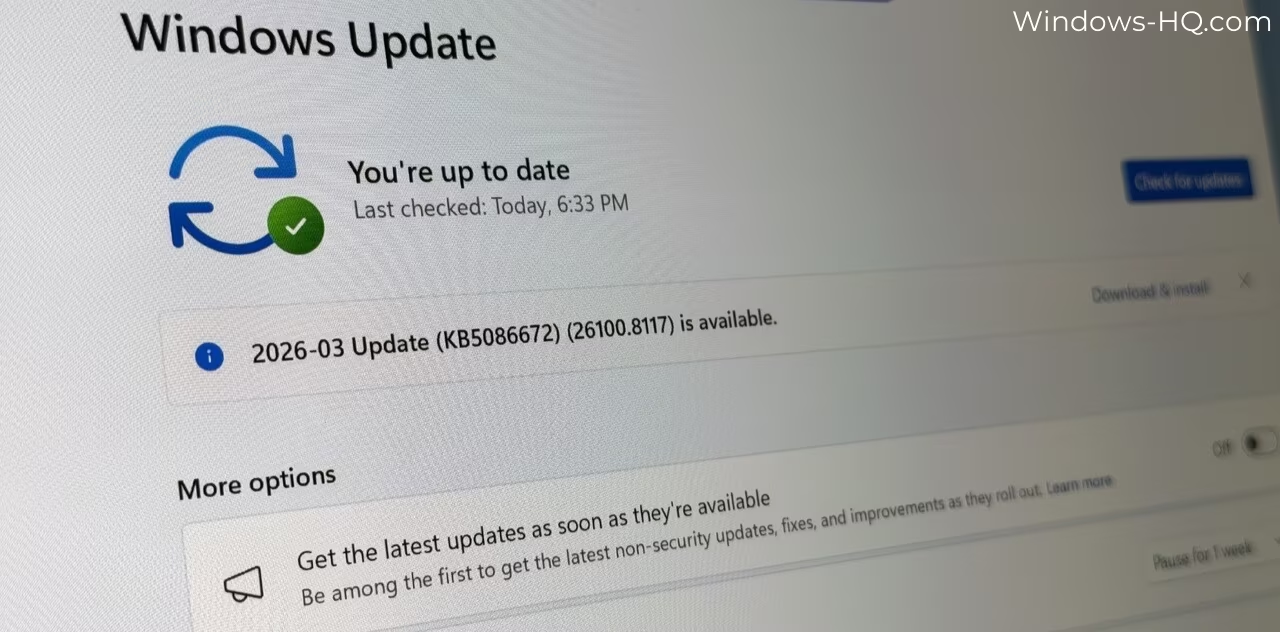
Microsoft has officially begun the forced installation of its latest Windows 11 iteration, version 25H2, targeting users currently running the older 24H2 version of the operating system. This transition is being managed through what the company describes as a “machine learning-based intelligent rollout,” a system designed to detect when a device is technically prepared for the upgrade before initiating the process automatically.
The move is part of a broader, staged update strategy intended to phase out Windows 11 24H2 across the globe. Microsoft is accelerating this transition primarily because the official support window for the 24H2 version is set to expire on October 13, 2026. By migrating users now, the company aims to ensure that systems remain on a platform with a longer guaranteed support period for security and stability.
While the logic behind moving users to a supported version is clear from a security standpoint, many Windows 11 users are expressing frustration. The primary concern among the user base is the frequency of these forced upgrades, which some feel offer negligible real-world benefits or new features beyond standard background security maintenance.
The recent roadmap for Windows versions has added a layer of complexity to the user experience. Microsoft has taken a bifurcated approach to development, dedicating the upcoming 26H1 update exclusively to Windows-on-Arm devices. This specific branch is designed to support high-end silicon, including the Snapdragon X2 Elite and X2 Plus platforms, alongside potential new laptop SoCs from NVIDIA, such as the N1 and N1X series.
For the majority of users on traditional x86-based PC systems, the focus remains firmly on the 24H2 and 25H2 versions. These versions have served as the primary vehicles for both feature enhancements and critical security patches over the last several months. However, with the 24H2 support clock ticking down, Microsoft is now shifting its full developmental and deployment weight toward 25H2.
Despite the support cutoff being several months away in October, Microsoft is utilizing its artificial intelligence tools to ensure the rollout is completed in manageable stages. This AI-driven approach identifies optimal hardware configurations to receive the update first, theoretically reducing the risk of widespread technical failures during the transition.
A significant point of contention for users is the lack of an opt-out mechanism. Under the current rollout rules, users cannot refuse the 25H2 update once their device is flagged by the intelligent rollout system. The only level of control granted to the user is the ability to schedule the necessary restart or briefly postpone the installation before the system eventually enforces the update.
The practice of enforcing updates highlights the reality of modern operating system lifecycles. Every version of Windows operates within a strictly defined support window, and Microsoft views these forced migrations as a necessary tool to prevent a fragmented ecosystem of unsupported, vulnerable devices.
Looking ahead, Microsoft is promising a renewed focus on quality for the Windows 11 platform. Developers are currently working on future updates, such as the 26H2 release expected later this year. This upcoming version is rumored to bring a more substantial host of new features, bug fixes, and performance optimizations that users have been requesting.
For now, 24H2 users should prepare for their systems to initiate the jump to 25H2 in the coming weeks. While the immediate benefits may seem limited to security parity, the upgrade ensures that PCs remain eligible for the more significant feature updates planned for the latter half of 2026.