When Microsoft entered the handheld gaming market, it faced an unexpected challenge. The company wanted its new devices to run Windows 11, but users discovered that replacing it with SteamOS led to noticeably better performance and responsiveness.
This performance gap raised concerns for Microsoft, especially as it prepared to launch its own official handheld gaming hardware. The perception that Windows 11 was slower than SteamOS risked undermining the company’s efforts in the growing portable gaming space.
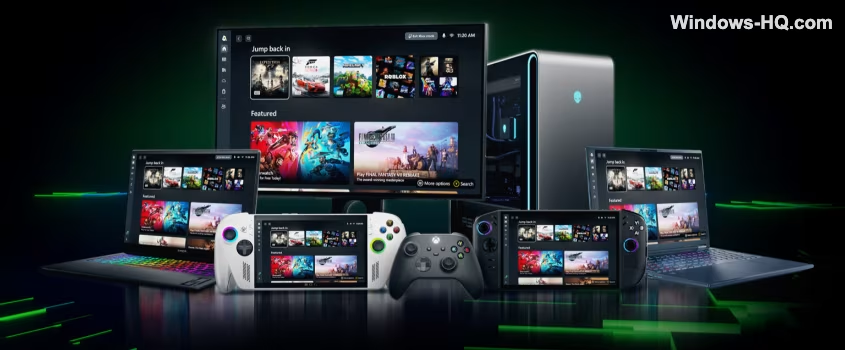
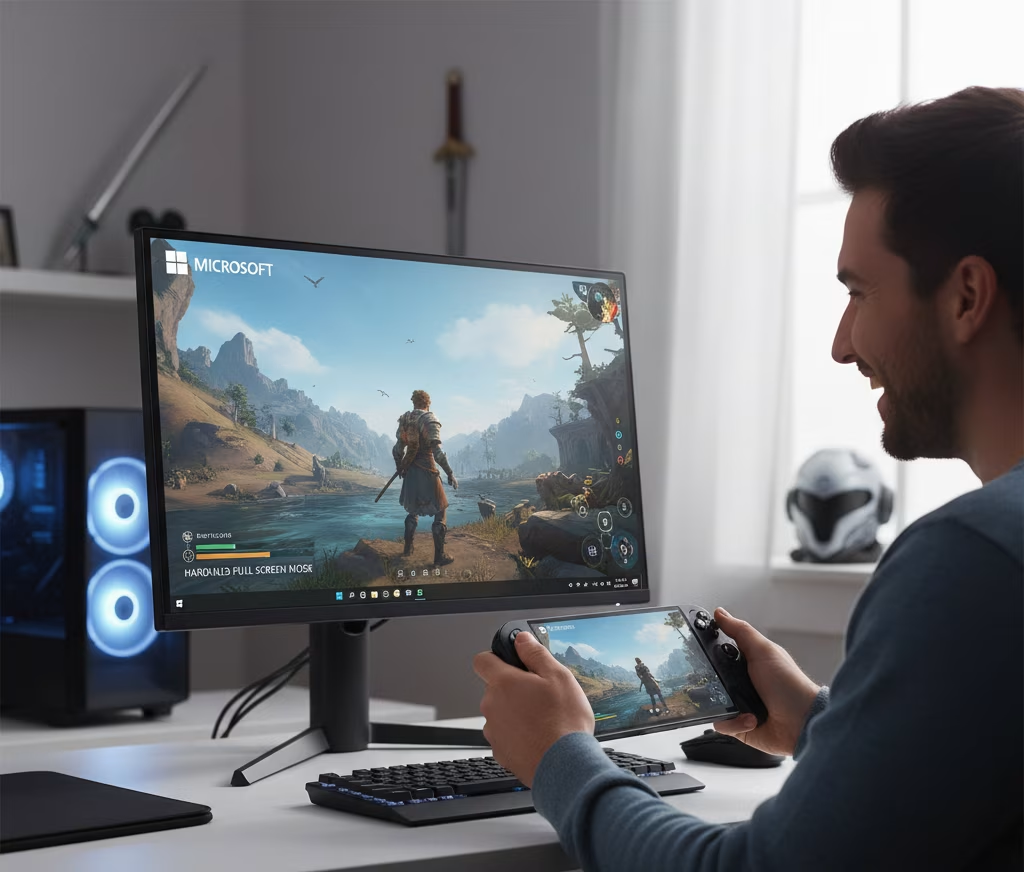
To address this, Microsoft developed a new “full screen” mode designed to optimize gaming performance. The feature mirrors Steam’s Big Picture mode, offering a console-style interface that’s easier to navigate with a controller.
Beyond the visual overhaul, the mode reallocates system resources, prioritizing game performance over background Windows processes. This helps deliver a smoother and more responsive gaming experience without requiring a different operating system.
The mode first debuted on the ROG Xbox Ally, a handheld device running Windows 11. Users reported improved performance and usability when gaming in this new mode, validating Microsoft’s approach.
Given its success, many wondered why the feature wasn’t made available to desktop and laptop gamers as well. Microsoft has now taken that step.
The latest Windows 11 Beta and Dev Insider builds include the new “full screen” gaming interface for standard PCs. While still in testing, the rollout marks a major step in unifying the Windows gaming experience across devices.
Currently, only Insider users can access the feature, but a broader release is expected soon. Once available to the public, gamers will be able to enjoy the same streamlined interface and performance improvements seen on handheld systems.
With this update, Microsoft aims to make Windows 11 more competitive against Linux-based gaming systems like SteamOS, while also reinforcing its position as a versatile platform for both desktop and handheld gaming.