Bose released the second-generation Ultra Open Earbuds, marking an all-around improvement over the original model. Trusted Reviews assessed the device as a significant step forward, although it noted that call quality outside remains a weak point, and the $299 price tag presents an obstacle for consumers.
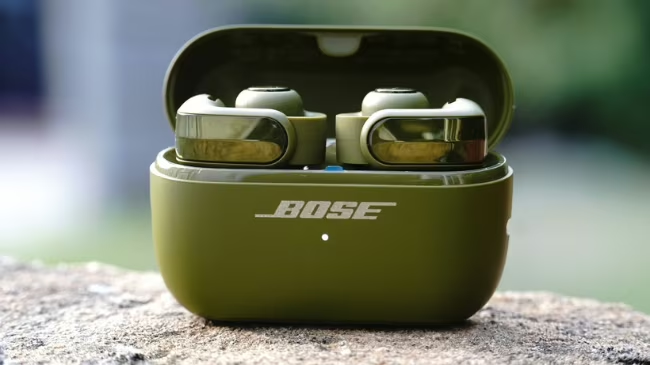
The physical design maintains the clip-on cuff that wraps around the earlobe, a style the reviewer still finds the most attractive in the category. Changes are subtle, however. The brushed metallic section now features a glossy two-tone finish. The charging case itself is described as slightly larger and less curved, a modification Bose markets as making it more robust.
In terms of comfort, the earbuds remain lightweight enough that users might forget they were wearing them during half-day sessions. The IPX4 rating for sweat and water resistance continues to be supported. Colour options include Black, White Smoke, and Sky Pink, along with limited-edition tones like Cherry Chocolate or Olive Green, though the variety of two-tone finishes is reduced.
Connectivity saw an upgrade to Bluetooth 5.4, supporting SBC, AAC, and aptX Adaptive for Android users, alongside Snapdragon Sound. Bose included Multipoint and Google Fast Pair. The connection was reported as robust over a month of use, even when paired with non-Snapdragon phones.
A core improvement is the Auto Volume feature. This system adapts the audio loudness based on the surrounding environment. Unlike previous implementations, this version’s adjustments are noticeable but remain subtle, aiding in covering outside noise without making the wearer forget their surroundings.
Battery life saw a notable increase in playback duration, moving from 7.5 hours on the original to 9 hours. Using Immersive Audio or Auto Volume will reduce this time to five hours. Both features enabled reduces the playtime to four hours. The case itself provides an additional 19.5 hours of power. The reviewer’s drain test suggested that the earbuds could last 11 to 12 hours in practical use at 50% volume.
Audio output also received a major boost in loudness. The review noted the difference in sound quality between generations was substantial. The higher default volume level allows more detail to survive against environmental noise. The sound is described as less tinny, with improved bass and a further soundstage. While the overall presentation improves, the reviewer pointed out that vocals still retain a slight thinness, and the overall sound lacks weight.
Immersive Audio benefits from the increased volume, exhibiting better depth and width. Head-tracking responsiveness is good, although Stereo mode remains more detailed. The earbuds’ call quality improved over the previous model. Background noise suppression on the microphone is effective, preventing the person on the other end from hearing the wearer’s surroundings.
However, in loud areas, the voice pickup becomes muffled and occasionally cuts out. The lack of noise isolation means wearers struggle to hear the conversation partner when moving through noisy locations. For optimal calls, the reviewer advises remaining indoors.
Using the physical controls is simple, relying on a button on the battery barrel. Single press functions to play or pause; double-press skips, and triple-press moves back. Pressing and holding the button activates volume control, though this function fails once the earbuds power off.
Wireless charging is now supported out of the box. However, fast charging performance regressed. Whereas the original offered two hours of playback from a two-minute charge, the current model requires ten minutes to achieve two hours of playback.