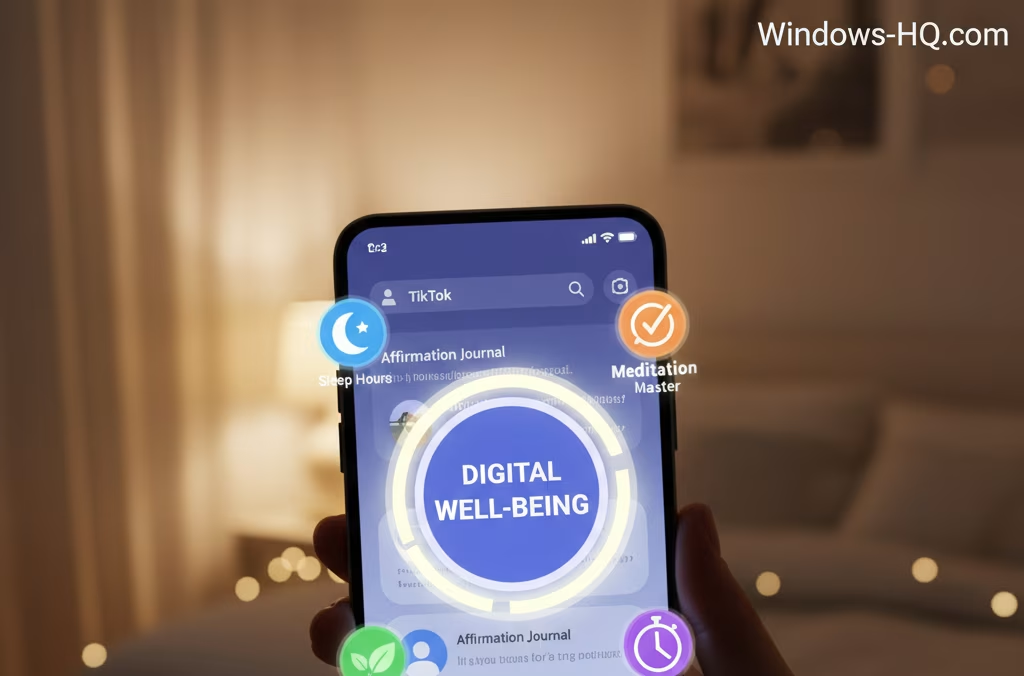
TikTok is taking proactive steps to address the issue of “doomscrolling” and improve the mental health of its user base by introducing a suite of new digital well-being features. These additions include an affirmation journal, a background sound generator, and, most notably, a system of achievement badges designed to incentivize limited platform usage.
The company has implemented a comprehensive redesign of its screen time management page, integrating several new modules. These include a breathing exercise module and a sound generator capable of playing calming background audio, such as the sounds of rain or ocean waves, aimed at helping users relax and focus.
A central tool in this redesign is the affirmation journal, which offers over 120 positive prompts intended to help users set a positive intent for their day. Early testing revealed this journal to be the most popular new feature on the redesigned well-being screen.
TikTok is also introducing a system of badges to reward users, particularly teenagers, who successfully utilize the platform within self-imposed limits. The company stated that this approach, which avoids overly restrictive tools, is based on academic literature suggesting a less negative effect on teens.
To earn these achievement badges, users must complete various “missions.” Examples include the sleep hours mission for avoiding app usage late at night and completing the new meditation tools. Users are also rewarded with a badge for setting and adhering to a daily screen time limit.
The company observed positive results during initial testing, noting that a greater number of people engaged with the new well-being screen compared to the previous, less feature-rich screen time menu, indicating a higher level of user adoption for the new tools.
Additionally, the revamped screen time management page will feature educational content from creators focusing on topics like limiting screen time, utilizing parental tools, and customizing content feeds for a healthier experience.
TikTok plans to display a direct link to these new well-being tools at key moments, specifically when a user is detected using the app late at night or immediately after they have reached their set daily screen time limit.
This initiative aligns with a broader industry trend of enhancing digital safety. In recent months, tech companies including Meta, YouTube, OpenAI, and Discord have all implemented new safety and parental control tools aimed at protecting and supporting teenage users online.