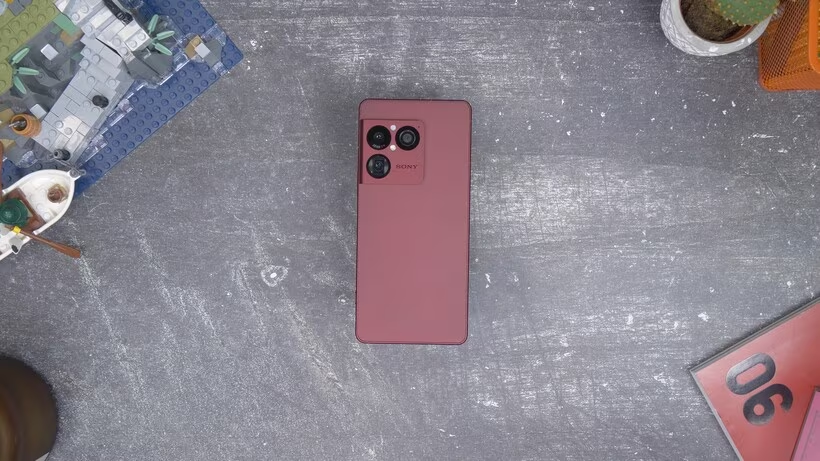
The Sony Xperia 1 VIII is characterized as a flagship device with noticeable flaws. It combines sophisticated colour science and creator-friendly physical controls with elements of an unfinished design experience.
Key practical features include a 3.5mm headphone jack, microSD card support, and a dedicated two-stage shutter key, appealing to creatives seeking physical control and flexible storage.
On the camera side, the device features a triple 48MP rear camera system with a larger zoom sensor and telemacro capability. Sony’s processing is noted for delivering detailed, natural-looking shots without exaggerated HDR or fake zooming effects. However, the documentation highlights frustrating bugs and quirks within the camera software, making it unresponsive at times.
The display is a 6.5-inch FHD OLED panel with LTPO technology and offers deep, rich, and warm colours. The user experience for viewing content is enhanced by front-firing stereo speakers and a bezel-housed selfie camera, creating a cinematic, uninterrupted feel.
In terms of performance, the Xperia 1 VIII utilizes the Snapdragon 8 Elite Gen 5 processor with up to 16GB RAM. While adequate for everyday use, the phone can warm after prolonged gameplay and is not recommended primarily for gaming.
The software runs on Near-stock Android 16 and maintains very little AI integration, giving it a lightweight feel. However, it also presents challenges, as its current state suggests it needs refinement.
The battery capacity is 5000mAh and promises all-day use, though its longevity is not rated as good as previous Xperia models. Charging speed is noted as slow, requiring nearly 90 minutes to fully recharge.
Aesthetic details include a minimalist design and a side-mounted fingerprint sensor, while also retaining the physical ports (3.5mm headphone jack and microSD slot). However, critics point out poor build quality despite its new appearance.
The overall assessment suggests that while Sony’s colour science provides some of the most natural-looking photos available, offering pleasingly true-to-life shots that rivals struggle to match, these strengths are offset by numerous weaknesses.
Specific drawbacks include the high price point relative to what is offered, poor battery performance compared to expectations, occasional camera software bugs, slow charging speeds, and general design imperfections.
Furthermore, the device’s current attempt to cater both to niche professional users (by keeping manual controls) and mainstream features (like night photos or AI guides) has resulted in an unclear focus. This ambiguous effort means it does not perform well at either end of the spectrum.
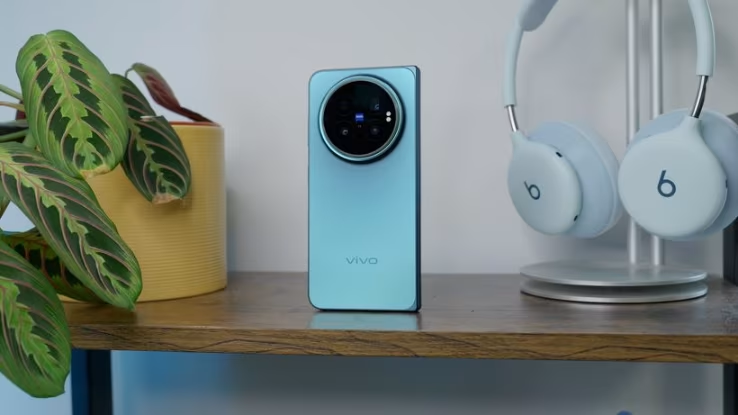
The combination of these compromises—the janky camera app, poor battery life, slow charging, and unfinished build quality—makes the Xperia 1 VIII difficult to recommend generally. The source advises that for superior all-round performance, more mature software, and better displays, consumers may prefer competitors like the Oppo Find X9 Ultra or Vivo X300 Ultra, even if these options require a slightly higher investment.