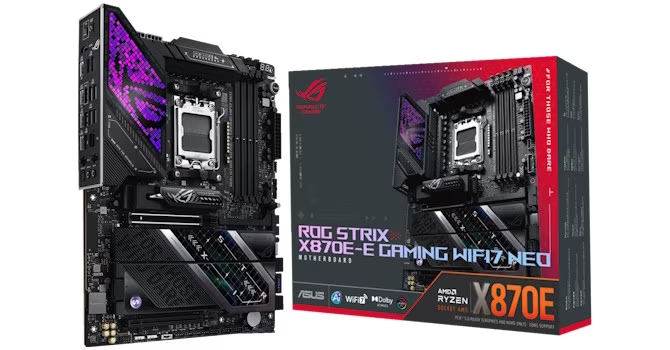
The ASUS ROG Strix motherboard is a high-end refresh aimed at AMD’s X870E chipset, priced around $600. It features substantial components, including massive VRM and M.2 heatsinks, and a PCB packed with various features unique to ASUS.
In terms of layout, the board maintains the ROG Strix aesthetic with large black heatsinks. A notable feature is the cable-free AIO Q-Connector designed to power compatible AIO liquid cooler pumps and lighting.
Cooling solutions for storage are provided by two tool-free M.2 heatsinks that cool all M.2 ports, although the design lacks a backplate heatsink, which was noted as a potential drawback compared to rivals.
Bandwidth management has been reworked, allowing the second PCIe Gen 5 M.2 slot to share bandwidth with the rear USB4 Type-C ports instead of utilizing dedicated PCIe lanes from the GPU.
Input/output includes two USB Type-C headers, a rear 10Gbps USB 3.2 Type-C port supporting 30W fast charging, two USB 3.0 headers, four SATA ports, and a push-button PCIe Q-Release slot mechanism.
Performance testing showed that VRM and SSD temperatures remained solid even when the board was equipped with a 16-core, 170W TDP CPU and PCIe Gen 5 SSDs installed.
However, some limitations were identified. Fan headers are capped at 12W each, which may be insufficient if users intend to run three or more high-power fans off a single header; this limitation was considered below expectations at the given price point.
The power delivery system also showed shortcomings compared to competitors. The front-panel USB-C header only delivers 30W of power, which is noted as significantly less than the 60W delivered by similarly priced alternatives.
Overall, the verdict positions this motherboard as an imposing and largely free of major issues option for AMD’s flagship mainstream X870E chipset. It is recommended for users with approximately $600 to spend on a Ryzen CPU.
Despite its strong performance profile, the final assessment suggests that the price versus rivals and older models, along with certain feature quirks, prevent it from being flawless.
Alternative options mentioned for comparison include the ROG Crosshair X870E Apex, which is priced under $550 and focuses on overclocking, and MSI’s MEG X870E Ace Max, which offers 10Gbps Ethernet and a similar BIOS but costs more.